


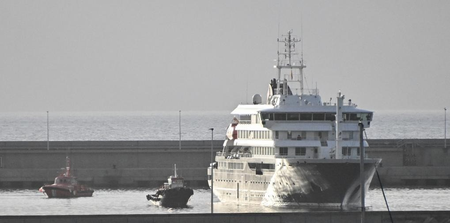
Javier Padilla, Spain’s Secretary of State for health, confirmed on social media that the evacuation of passengers and some crew members from the hantavirus-affected cruise ship MV Hondius is progressing as scheduled. Over 90 individuals are anticipated to be evacuated by the day’s end. The operation, which began earlier, has already seen 49 passengers and crew members from 14 different countries safely evacuated.
Padilla mentioned that individuals from various countries including Britain, Turkey, France, Ireland, and the United States will be evacuated later in the day. The total number of evacuees is expected to surpass 90 by the end of the day. The final evacuation flight is set to depart on Monday to repatriate Australian nationals, while the Netherlands plans to conduct a “sweep flight” to collect those who have not been repatriated by their countries yet.
Hantaviruses, as per the World Health Organization, are viruses that naturally infect rodents and can occasionally be transmitted to humans. The infections can lead to severe illnesses and even death, with different types of viruses causing varying diseases based on geographical locations. In the Americas, hantavirus infections may result in hantavirus cardiopulmonary syndrome (HCPS), affecting the lungs and heart, while in Europe and Asia, they can cause haemorrhagic fever with renal syndrome (HFRS), primarily impacting the kidneys and blood vessels.
Prevention and early supportive medical care are crucial as there is no specific cure for hantavirus diseases. The focus lies on close clinical monitoring and managing respiratory, cardiac, and kidney complications. The transmission of hantaviruses to humans usually occurs through contact with contaminated materials from infected rodents, such as urine, droppings, or saliva. Activities involving contact with rodents increase the risk of exposure to the virus.
