


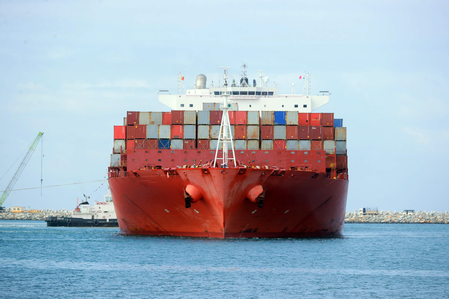
Exports of textiles, garments, and wet grinders from Coimbatore, Tamil Nadu, are experiencing delays due to the conflict in West Asia disrupting cargo movement through key sea routes. The closure of the Strait of Hormuz, a vital maritime passage, has worsened the situation, forcing cargo vessels to take longer routes around Africa. This diversion has extended shipping transit times by 20 to 25 days, impacting export commitments made by manufacturers in Coimbatore.
The prolonged transit time could have serious financial consequences for exporters as delays may lead to canceled orders or demands for discounts. With strict delivery deadlines, international buyers may seek alternative suppliers if shipping schedules remain uncertain. The disruption is particularly concerning for the textile sector in Coimbatore, which heavily relies on consistent export schedules and faces rising logistics costs due to longer routes and higher fuel consumption.
Coimbatore-based manufacturers annually export garments worth nearly $2 billion to the United Arab Emirates and around $1 billion to other Gulf countries. The uncertainty in shipping schedules has exporters worried that buyers may shift to other suppliers. Moreover, there are concerns about a potential shortage of raw materials, which could impact production costs. The impact is not limited to textiles; the wet grinder manufacturing sector in Coimbatore, known for exporting to Gulf and international markets, is also facing challenges.
Exporters have called on the Central government and shipping authorities to monitor the situation closely and consider logistical support measures to prevent further disruptions to India’s export trade. Industry bodies warn that a prolonged crisis in the region could have broader repercussions for exporters across southern India.
