


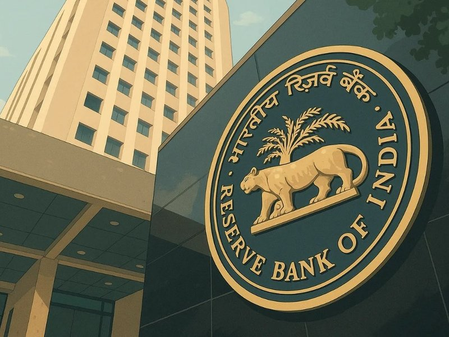
Falling global crude oil prices are offering flexibility to the Reserve Bank of India (RBI) and other Asian central banks to focus on boosting economic growth. Standard Chartered’s Weekly Market View report highlights that lower energy costs are reducing inflationary pressures and enhancing external balances in the region. The decline in oil prices is described as “disinflationary relief” for much of Asia, lessening the need for policymakers to maintain high interest rates.
Most Asian economies, being net importers of energy, stand to benefit directly from the reduced crude prices. Cheaper oil leads to lower imported inflation, alleviates strain on current account balances, and enhances the overall macroeconomic outlook. Countries like India, Thailand, and the Philippines, major energy importers, now have more leeway for central banks to prioritize economic growth over inflation control.
While the overall outlook appears positive, Standard Chartered notes that monetary policy in Asia is unlikely to move uniformly. Some countries, such as South Korea and Singapore, are grappling with demand-driven inflation tied to significant investments in artificial intelligence (AI) infrastructure. This scenario may necessitate these countries to maintain higher interest rates for an extended period, contrasting with the easing policies seen in economies like India.
The report also emphasizes that lower energy prices are beneficial for regional financial markets, particularly boosting risk assets and local-currency bonds. Decreasing inflation expectations are enhancing investor sentiment. However, the bank cautions about potential weather-related risks that could disrupt this positive trend. There is a 63% likelihood, as per Standard Chartered, of a “Super El Nino” occurring in the fourth quarter of 2026. Such an event could impact agricultural production due to extreme heat and drought, raise electricity demand for cooling, potentially leading to higher energy prices and renewed inflationary pressures in the region.
The evolving trajectory of oil prices and weather conditions will play a crucial role in shaping the policy decisions of Asian central banks in the upcoming months.
