


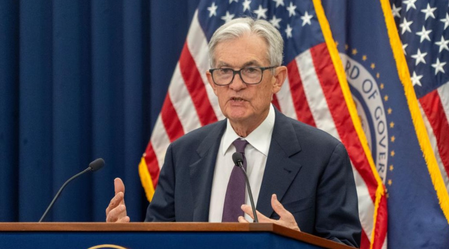
Federal Reserve Chair Jerome Powell stated that the surge in US inflation is primarily due to tariffs on goods rather than excessive demand. Powell emphasized that while prices in the services sector are stabilizing, the goods sector inflation has been influenced by tariffs. The Federal Open Market Committee maintained interest rates at 3.5 to 3.75 percent, with Powell deeming the current policy stance appropriate given inflation above the Fed’s 2 percent target.
Powell noted that the impact of tariffs on prices has largely passed through the economy, with expectations that tariff-related goods inflation will peak and gradually decline. He highlighted a disparity between goods and services inflation, with services showing a trend of disinflation. Core PCE inflation increased by 3.0 percent over the 12 months ending in December, while total PCE inflation rose by 2.9 percent, with stable inflation expectations.
The Fed chair emphasized that monetary policy decisions will be made on a meeting-by-meeting basis, without a predetermined timetable for changes. Powell described the US economy as growing steadily, supported by resilient consumer spending and expanding business investment, despite weak housing activity. He cautioned that while inflation progress has slowed recently, the underlying scenario is complex due to the concentration of tariff effects on goods prices.
Powell highlighted that without tariffs, inflation might have been demand-driven, posing a more challenging issue to address. Changes in American trade policy and inflation trends can impact global supply chains, export pricing, and investment flows, affecting countries like India. Tariffs, by raising import costs, usually lead to temporary price hikes, which central banks often view as transitory if they do not trigger broader inflation expectations.
