


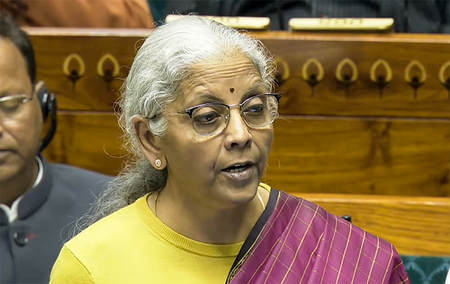
Finance Minister Nirmala Sitharaman, in her budget presentation, detailed measures to sustain India’s economic growth amidst global uncertainties. The government plans to boost manufacturing, semiconductor development, infrastructure, and data center growth. Capital expenditure is set to increase by 9% to Rs 12.2 lakh crore in 2026-27, representing 4.4% of GDP, a significant rise from previous levels.
Sitharaman emphasized the importance of public capex to fuel infrastructure-driven expansion, aiming to maintain growth above 7%. Notable allocations include Rs 7.85 lakh crore for defense, with a focus on modernization and self-reliance. The Electronics Components Manufacturing Scheme budget doubled to Rs 40,000 crore, while the Biopharma SHAKTI program received Rs 10,000 crore over five years.
Railways will witness capital spending of Rs 2.77 lakh crore, including plans for high-speed passenger corridors. The Ministry of Home Affairs received Rs 2.55 lakh crore for internal security. States are guaranteed Rs 1.4 lakh crore through Finance Commission grants and 41% of tax devolution.
The budget also includes support for mineral-rich states and initiatives for SMEs. Sitharaman highlighted the government’s commitment to prioritizing the underprivileged and disadvantaged while focusing on economic growth drivers. The total budgeted expenditure is Rs 53.47 lakh crore, with a fiscal deficit target of 4.3% of GDP.
