


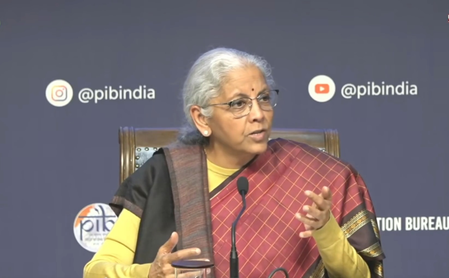
Finance Minister Nirmala Sitharaman revealed that the Union Budget 2026-27 aims to boost economic growth and enhance job opportunities in various sectors. She emphasized the budget’s focus on implementing structural reforms to elevate productivity and foster a conducive environment for job creation across industries. The government’s commitment to a technology-driven and inclusive economic framework is evident through the emphasis on growth, reforms, and employment generation.
In her detailed explanation of key proposals, Sitharaman highlighted the allocation of Rs 10,000 crore in the budget for the biopharma sector over the next five years. This investment is intended to uphold India’s leadership position in the global biopharma industry. Additionally, the Finance Minister underscored the equal importance given to health in this year’s budget, with a particular emphasis on mental health.
The budget signifies a significant step towards fortifying India’s healthcare system, with a substantial increase in the allocation for the Ministry of Health & Family Welfare to Rs 1,06,530.42 crores, reflecting a nearly 10% rise over the Revised Estimates of FY 2025-26. Among the proposals are the creation of 1 lakh Allied Health Professionals (AHPs) in various disciplines over the next five years and the establishment of additional emergency and trauma centers and mental health institutions like NIMHANS.
Sitharaman also announced plans to develop rare earth corridors as part of the budget, drawing parallels with the successful development of existing defense corridors. She highlighted the budget’s alignment with the vision of transforming India into a developed nation by 2047, emphasizing inclusivity and progress for all.
When questioned about the lack of special emphasis on states with upcoming elections like West Bengal, Kerala, and Tamil Nadu in the Union Budget 2026-27, Finance Minister Sitharaman responded by acknowledging the government’s scrutiny from various quarters.
