


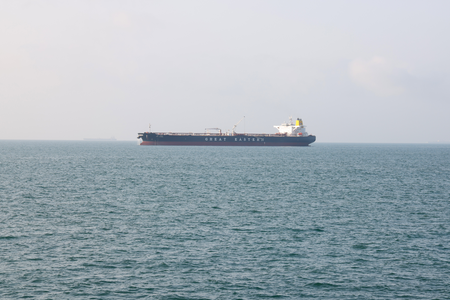
The LNG tanker Mubaraz, loaded from Abu Dhabi National Oil Co’s Das Island facility in early March, has crossed the Strait of Hormuz, a significant global energy chokepoint. After weeks of idling in the Persian Gulf and a signal blackout, the vessel reappeared near India. This development is crucial as about one-fifth of the world’s LNG supply passes through the Strait of Hormuz.
Global energy markets have been closely watching the situation, especially as ship movements in the region had nearly halted due to tensions and blockades by Iran and the United States. The Mubaraz, initially headed to China, is expected to reach its destination by May 15, according to data. Earlier reports in April had shown an empty LNG tanker leaving the strait, but this is the first confirmation of a loaded LNG cargo passing through.
Recent weeks saw several Qatari LNG-carrying vessels approaching the strait but turning back due to ongoing geopolitical tensions. In a separate incident, the Indian merchant vessel Green Asha successfully crossed the strait and arrived at Jawaharlal Nehru Port Authority in Navi Mumbai with a cargo of 15,400 tonnes of LPG. The geopolitical situation remains uncertain, with US President Donald Trump expressing dissatisfaction with Iran’s proposal regarding its nuclear program.
Trump’s discussions with national security aides have not led to a resolution, keeping the conflict at a standstill and affecting energy supplies from the region. Iran has reportedly offered to reopen the Strait of Hormuz if the US lifts its blockade and hostilities cease. Meanwhile, oil prices remain high, with Brent crude reaching $109.46 per barrel and US West Texas Intermediate at $97.55.
