


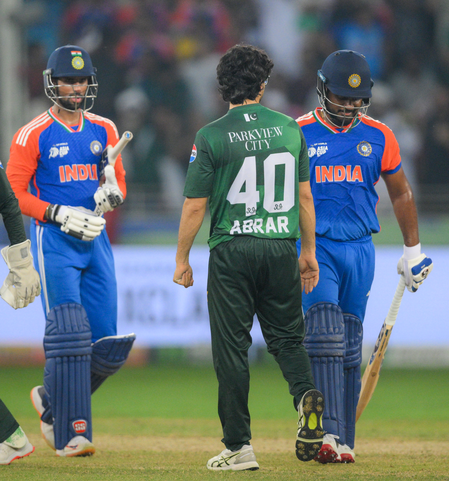
A decision by Pakistan not to play its match against India on February 15 in Colombo has raised concerns about the upcoming ICC Men’s T20 World Cup. The International Cricket Council’s recent statement has created ripple effects that go beyond the cricket field.
The cancellation of the India-Pakistan match could have significant economic implications, particularly in Sri Lanka’s capital. This match is a highly anticipated fixture in global tournaments, attracting numerous fans, media personnel, and sponsors.
Hotels in Colombo, which had high occupancy rates due to advance bookings for the match, are now facing a surge in cancellations. The uncertainty surrounding the match has also put pressure on airlines as special travel plans made for the fixture are being reconsidered.
Tour operators and local businesses that were expecting a rise in visitors are now bracing for potential losses. The tourism sector, crucial for Sri Lanka’s economy, could suffer if the situation remains unresolved.
Sri Lanka Cricket (SLC) is closely monitoring the situation and may raise concerns with the ICC. Officials are evaluating the financial and logistical challenges that could arise from a possible schedule change.
This episode highlights how decisions in international sports can have wide-ranging consequences, especially for host nations that rely on global events to boost tourism and economic activity.
