


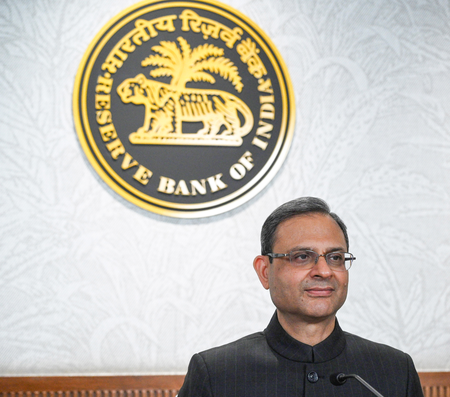
Global economic conditions have deteriorated following the West Asia conflict outbreak, impacting growth and inflation sentiments, according to RBI Governor Sanjay Malhotra in the latest RBI Bulletin. The Central Bank pledges to monitor the evolving situation closely and implement policies that prioritize the economy’s best interests. The conflict in West Asia has escalated pressures on global supply chains, although some relief was noted in early April.
India’s macroeconomic fundamentals were robust before the conflict, characterized by strong growth and low inflation. However, conditions shifted in March with the conflict zone’s expansion and intensification. Despite this, the Indian economy’s fundamentals remain stronger now compared to past crises and relative to many other economies, enhancing its resilience against shocks.
Risks to global growth are on the rise due to surging energy prices and input shortages, fueling inflation concerns and increasing the geopolitical risk premium in oil markets. The ongoing conflict has heightened uncertainty, impacting outlooks and leading to depreciation pressures on major economies’ currencies. While commodity prices like metals and gold have stabilized, financial markets have become more volatile.
Equities experienced a widespread correction, and sovereign bond yields, already elevated by long-term fiscal worries and inflation fears, have risen in major economies. Despite these challenges, domestic economic activity has shown resilience in various sectors, although some segments have slowed down. CPI inflation in March saw a marginal increase driven by fuel and food prices. The money market and bond yields moderated post a temporary ceasefire in West Asia, while trade deficit narrowed to a nine-month low due to import slowdown and export growth.
RBI Governor Malhotra warns that the initial supply shock could potentially evolve into a demand shock if supply chain restoration delays persist over the medium term.
