


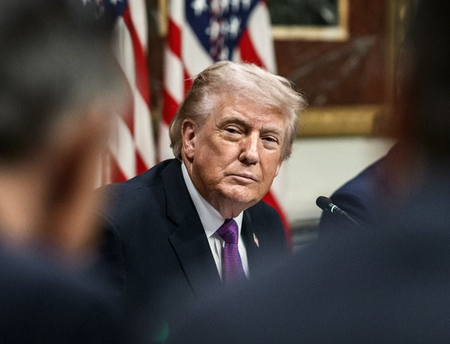
Global markets saw a surge after President Donald Trump indicated a halt in strikes on Iran, leading to a drop in oil prices and a rise in stock values. The S&P 500 and Dow Jones Industrial Average both climbed over 1 percent, while Brent crude fell below $100 a barrel. However, analysts caution that the underlying energy crisis remains unresolved.
Following Trump’s announcement of talks with Iran, markets initially reacted positively but quickly reversed course. Oil prices plummeted from over $112 to under $100 a barrel, and stock futures fluctuated from losses to gains. Investors are optimistic about a potential diplomatic resolution, hoping to avoid further disruptions in global energy supplies.
Despite the market rally, concerns linger as previous optimism during the conflict has fizzled out with fresh attacks and escalating tensions. Analysts emphasize that the current upswing is based on expectations rather than concrete progress on the ground. The absence of clear evidence of direct negotiations between Washington and Tehran adds to the uncertainty.
The International Energy Agency highlighted the severity of the energy crisis, noting a significant drop of approximately 11 million barrels per day in global oil supply since the conflict began. Prices remain volatile despite recent declines, with fears centered on the Strait of Hormuz, a critical route for around 30 percent of global crude. Iran’s threats to disrupt shipping raise further concerns of supply shocks.
Experts warn that even if hostilities ease, repairing the damage to energy systems could be a prolonged process. The International Energy Agency cautions that market stabilization may not occur swiftly even if the conflict ends soon. Traders remain cautious, with some attributing the market rally more to hope than to substantial changes in underlying fundamentals.
The uncertainty surrounding Iran’s nuclear program and the potential for renewed strikes continue to cast a shadow on the long-term economic outlook. India, heavily reliant on Gulf crude imports, faces significant stakes, with the possibility of fuel price hikes and inflation in the event of sustained disruptions. The broader economic risks, including impacts on global growth, trade, and currency stability, persist despite short-term market reactions.
