


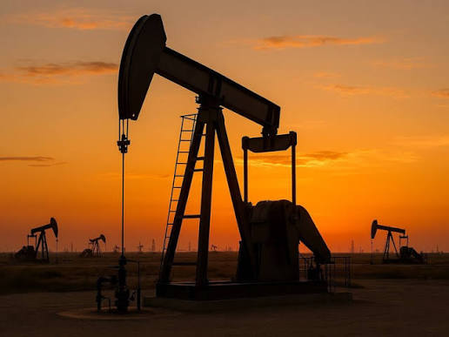
Global oil majors are redirecting their investments from low-carbon initiatives to traditional oil and gas projects due to concerns over energy security arising from geopolitical tensions, as per a report by Equirus Securities. In 2025, the combined spending on low-carbon efforts by seven major oil companies dropped to approximately $8.3 billion, a significant decrease from the $24 billion recorded in 2024. This shift marks the first time that investments in hydrocarbon projects have surpassed those in low-carbon ventures.
Norwegian multinational energy firm Equinor has adjusted its production outlook for oil and gas, shelving its renewable capacity goal and greenlighting a NOK 40 billion investment to enhance production from Norway’s Troll gas field, a key supplier meeting nearly 30% of Europe’s gas needs. Similarly, London-based energy giant BP has expedited its strategic move towards traditional energy sources, emphasizing upstream expansion and aiming to achieve over one million barrels of oil equivalent per day from its US assets by 2030.
The United Arab Emirates (UAE) is planning to boost its crude oil production to more than 5 million barrels per day and has announced investment commitments exceeding $200 billion by 2030, according to the report. The global energy landscape is witnessing a shift towards “energy addition” rather than “energy substitution,” driven by the escalating demand for electricity from sectors like artificial intelligence, data centers, industrialization, and emerging markets. The report highlights the increasing inclusion of LNG, nuclear power, power grids, and conventional fuels alongside renewable sources to meet the growing energy needs, indicating that hydrocarbons will continue to play a significant role in the global energy mix despite the expanding deployment of renewable energy sources.
