


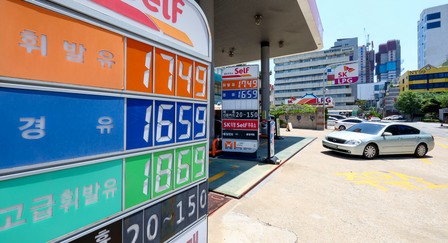
The ongoing Iran war has caused disruptions in the global oil market, with a greater impact expected on products like jet fuel and diesel rather than on crude oil, as per a report by Goldman Sachs Group analysts. The conflict, which began on February 28 and has entered its third week, has led to a halt in oil and product exports through the Strait of Hormuz, along with attacks on energy infrastructure in the Middle East. This situation has forced crude producers to reduce output and suspend some refinery operations.
While crude prices have risen by over 40 percent since the conflict started, petroleum products such as jet fuel and diesel have seen even higher price increases. In certain parts of Asia, fuel costs have doubled, prompting countries like China, Thailand, and South Korea to limit exports to safeguard local markets. The war has impacted the ability of Persian Gulf producers to export refined products, resulting in refinery shutdowns and reduced flows of crude suitable for producing fuels like diesel.
According to the Goldman analysts, nearly 60 percent of typical crude exports from the Persian Gulf consist of medium and heavy crude, crucial for producing jet fuel, diesel, and fuel oil, with limited alternative producers outside the Middle East. The global disruption caused by the conflict is also expected to affect ‘naphtha,’ a refining byproduct used in petrochemical production, and jet fuel. Asia imports around 50 percent of its ‘naphtha’ from the Persian Gulf, while Europe relies on the region for 40 percent of its jet fuel supply.
