


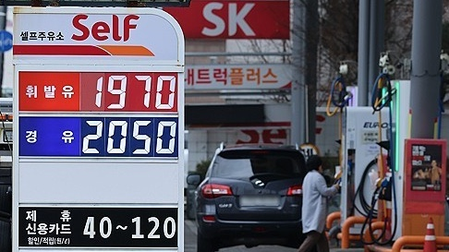
The government is contemplating the introduction of a price cap system for oil after nearly three decades, as per sources on Sunday. This move comes in response to worries about escalating energy prices due to recent conflicts in the Middle East. South Korea, heavily reliant on energy imports, faces vulnerability to external price shocks that often lead to inflation, reports Yonhap news agency.
Officials are reviewing the potential implementation of a price cap system under Article 23 of the Petroleum and Alternative Fuel Business Act. This provision allows the industry minister to set a maximum sales price during sharp fluctuations in oil prices that could threaten economic stability. Despite being in place since 1997, this provision has been largely inactive.
President Lee Jae Myung has instructed officials to swiftly develop a region and fuel type-specific price cap system if a nationwide uniform cap proves challenging. The government has initiated measures to crack down on illegal oil distribution, hoarding, and unfair trade practices following the president’s directives. Additionally, plans are in place to secure over 6 million barrels of crude oil from the United Arab Emirates to stabilize energy supplies.
Gasoline prices at domestic gas stations continue to rise, with the average price exceeding 1,890.87 won (US$1.27) per liter as of Saturday night, according to data from the Korea National Oil Corp.
