


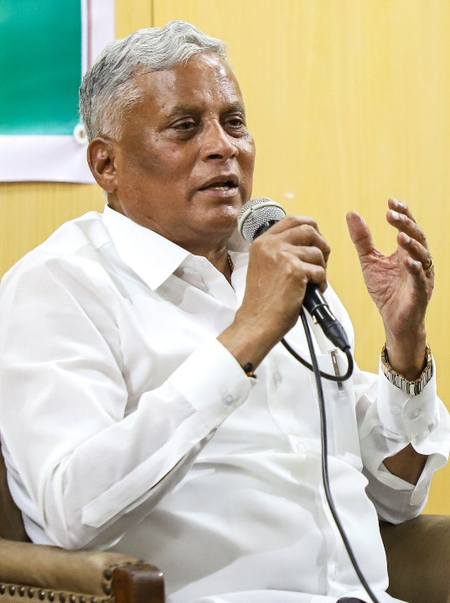
As per the Ministry of Jal Shakti, there are 2,870 water quality testing laboratories run by government agencies at various levels, including state, regional, district, sub-division, and block levels, along with mobile units and Water Treatment Plant (WTP) facility labs. Additionally, there are 1,707 accredited and recognized labs for conducting water quality tests, as stated by Minister of State V. Somanna.
To promote water quality testing among the rural community, states and Union Territories have been advised to open their water testing labs to the public at a nominal fee. A ‘Concise Handbook for Monitoring Water Quality of Piped Drinking Water Supply to Rural Households’ was released in December 2024 to guide states and UTs in this regard, in consultation with stakeholders.
Under the Jal Jeevan Mission (JJM), an online portal called JJM-Water Quality Management Information System (JJM-WQMIS) has been developed to facilitate states and UTs in testing water samples, sample collection, reporting, monitoring, and surveillance of drinking water. States have also been encouraged to enhance their network of drinking water quality testing labs through Public-Private Partnerships and accreditation to ensure data reliability and accuracy.
To address concerns in the accreditation process, meetings were conducted with states, UTs, and accreditation bodies. Moreover, a “Citizen Corner” has been introduced on the JJM Dashboard to enhance public awareness. This corner displays village-level water quality test results publicly, aiming to raise awareness and build confidence in the quality of water supplied through the Public Water System in rural areas.
