


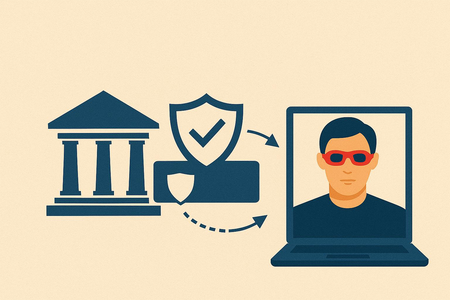
Nearly forty percent of government organizations worldwide are projected to create dedicated TrustOps functions by 2028 to tackle deep fake identity impersonation and disinformation-as-a-service (DaaS), according to a report by Gartner, Inc. The report emphasizes the need for government bodies to swiftly develop trust capabilities, moving from reactive fact-checking to a proactive trust architecture to counter deepfakes. These threats include public-facing disinformation campaigns like impersonating leaders to spread false information and internal system attacks.
Deepfakes are designed to compromise automated biometric authentication, such as voice or face recognition, or manipulate employees through social engineering tactics. Daniel Nieto, Sr. Director Analyst at Gartner, highlighted that deepfakes can undermine digital identity and even weaponize it, posing a threat to the credibility of the State itself. The report suggests that government organizations could adopt solutions like the Coalition for Content Provenance and Authenticity (C2PA) protocol in the long run.
In addition, the report advises organizations to oversee high-risk administrative workflows, such as financial disbursements, and implement security measures requiring multiple approvals and application-level authentication. It is crucial to eliminate vulnerabilities that could be exploited by voice-cloned executives. To address the risk of institutional irrelevance, Chief Information Officers (CIOs) are urged to transition from reactive fact-checking to proactive trust architecture.
The report underscores the need for a coordinated, rapid, enterprise-wide defense against the potential widespread impact of deepfakes resulting from the convergence of social media and synthetic content. It warns against relying solely on reactive takedowns once a deepfake goes viral, emphasizing the importance of preemptively saturating the information space with accurate information.
