


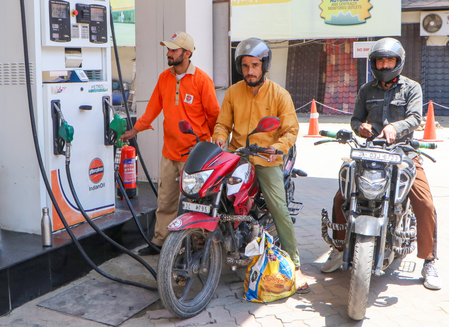
The recent Rs 3 per litre increase in petrol and diesel prices by the government pales in comparison to the substantial losses faced by public sector oil companies due to soaring global crude oil prices exceeding $100 per barrel. This minor hike is part of the government’s strategy to shield consumers from the full impact of the global oil price surge.
Petrol under-recoveries stand at about Rs 26 per litre, while diesel under-recoveries are as high as Rs 82 per litre, far surpassing the recent modest price adjustment. Indian Oil, BPCL, and HPCL are collectively bearing significant financial burdens daily to prevent sharp retail fuel price spikes.
State-run oil marketing companies, in conjunction with the government, are currently absorbing approximately Rs 1,000 crore in losses each day to stabilize retail fuel prices despite the escalating global crude oil rates triggered by tensions in West Asia.
The government’s stance is clear: it aims to prevent Indian consumers from shouldering the full weight of rising global crude prices through substantial pump price hikes. Officials emphasize that a significant fuel price surge could lead to widespread inflationary repercussions, escalating transportation costs, raising food prices, and impacting household budgets during a critical period for domestic demand.
Furthermore, the government is safeguarding the agriculture sector from global price shocks, with a substantial fertiliser subsidy burden of nearly Rs 2.25 lakh crore to shield farmers from mounting input expenses. The current policy focus is on gradually curbing fuel consumption and enhancing energy efficiency rather than imposing sudden price shocks on consumers.
Prime Minister Narendra Modi advocates for reduced fuel consumption patterns and decreased import reliance over aggressive retail price increases. The concerns stem from India’s mounting import burden amidst elevated crude oil prices, with the annual crude oil import bill estimated at Rs 12-15 lakh crore, where every $10 surge in crude prices adds significantly to the import load.
