


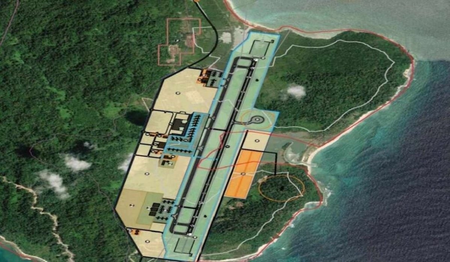
India is working on the Great Nicobar Project to transform the island into a strategic maritime and economic hub. The project aims to leverage the island’s proximity to the global East–West shipping route and reduce reliance on foreign transshipment ports. This move is crucial for India’s defense, national security, and strategic presence in the Andaman Sea and Southeast Asia.
The project, which is currently in progress, seeks to balance economic growth driven by the port with environmental protection and safeguarding indigenous communities. By developing the International Container Transshipment Terminal at Great Nicobar, India aims to retain freight revenue, decrease voyage times for exporters, and enhance the competitiveness of Indian trade on the east-west shipping corridor.
Government estimates suggest a significant revenue potential of around $3.16 billion by 2040, with an estimated project cost of $7.90–8.53 billion. While projections indicate 50,000 potential jobs, these figures are aspirational targets rather than guaranteed outcomes. The Great Nicobar Project aligns with India’s Maritime India Vision 2030 and the Sagarmala program, emphasizing port-led development and leveraging geographic advantages for economic growth.
