


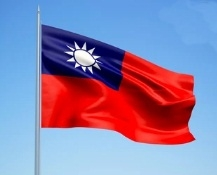
The uncertainty surrounding Iran’s leadership post the passing of Supreme Leader Ayatollah Ali Khamenei is gaining global focus. Analysts are deliberating on his potential successor, with a significant emphasis on the implications for China’s strategic plans amidst possible geopolitical tensions involving Taiwan. China, being Iran’s largest buyer of crude oil, has extensive economic ties with the country, purchasing nearly 90% of Iran’s exported crude last year, amounting to about 1.61 million barrels per day.
China and Iran are interconnected through a substantial 25-year cooperation agreement valued at around $400 billion, encompassing energy, infrastructure, and trade sectors. The stability of Iran’s political landscape holds significance for China’s economic interests due to these strong ties. Despite not having a formal role in Iran’s leadership transition, China wields influence through its associations with influential entities like the Islamic Revolutionary Guard Corps (IRGC).
The IRGC, as per the Council on Foreign Relations, plays a pivotal role in shaping Iran’s political future, implying that any new Supreme Leader would likely necessitate its backing for effective governance. China has reportedly bolstered its ties with the military establishment, particularly post the demise of former Iranian president Ebrahim Raisi in 2024. For Beijing, the situation in the Persian Gulf extends beyond safeguarding investments in Iran, as it has been developing mechanisms to circumvent Western sanctions over the years.
China’s efforts include establishing alternative payment systems and shipping networks to mitigate the impact of sanctions, initially developed during trade with Iran. These strategies are viewed as a trial for handling potential sanctions during a crisis involving Taiwan. Energy security is a critical concern for China, given that a significant portion of global oil trade passes through the Strait of Hormuz, with about 84% of this oil destined for Asian markets.
China, a major importer, received approximately five million barrels per day through this route last year, constituting nearly half of its total crude imports. Any disruption in this passage could severely impact China’s industrial sector. Energy experts caution that if Iran were to impede or significantly disrupt the strait, global oil prices could soar to between $100 and $130 per barrel, potentially impeding China’s economic growth amid existing challenges. Despite China’s substantial strategic oil reserves, these reserves would offer only temporary respite in the face of a prolonged disruption.
