


Gujarat’s Health Department reported a significant 92% decrease in malaria cases over the past decade. The state attributed this success to ongoing surveillance and prevention efforts, coinciding with World Malaria Day. World Health Organisation observes this day annually on April 25 to raise awareness about malaria control and encourage community involvement.
Efforts in Gujarat have included various measures such as house-to-house surveillance, fever monitoring, anti-larval operations, and blood screening of laborers. Free diagnosis and treatment for malaria are available at all government health centers. In 2025, over 1.81 lakh fever patients were tested, with positive cases promptly treated.
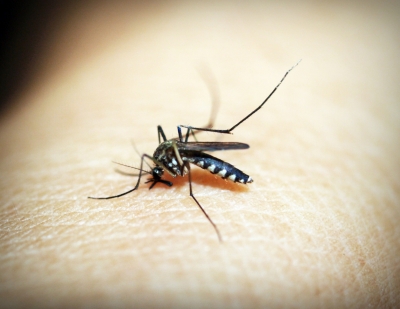
The state has achieved a malaria positivity rate below one per 1,000 population in all districts and municipal corporations. This progress has led Gujarat to move from Category-2 to Category-1 within the malaria elimination framework. Malaria, caused by the Plasmodium parasite and transmitted by infected female Anopheles mosquitoes, presents symptoms like severe chills, fever, headache, body aches, and nausea.
Health officials emphasized preventive practices, including maintaining covered water containers, eliminating stagnant water, and using mosquito nets. Awareness campaigns through exhibitions, rallies, educational programs, and social media have been instrumental in promoting preventive measures. Early diagnosis and complete treatment are crucial in preventing malaria, officials reiterated.
