


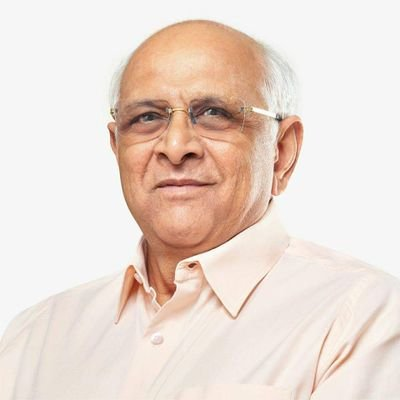
In a move under the Gujarat Textile Policy-2024, Chief Minister Bhupendra Patel has approved amendments to enhance women’s empowerment and extend benefits to non-polluting textile units, including those in municipal areas. The policy now focuses on supporting women’s Self-Help Groups (SHGs) in rural and urban areas to boost their income.
To broaden the impact, the Chief Minister has instructed changes to specific policy provisions. Under the updated framework, women-led SHGs involved in similar livelihood activities and registered under national missions or as voluntary SHGs are now eligible for benefits. Additionally, non-polluting textile units within municipal limits will now receive policy benefits.
Recognizing the textile sector’s significance in Gujarat’s economy, the Textile Policy-2024 emphasizes a value-chain approach, particularly in garments, apparel, and technical textiles. By including non-polluting textile activities in urban areas, the policy aims to foster balanced industrial growth while safeguarding the environment.
These amendments are anticipated to offer substantial advantages to eligible urban textile units, boost employment opportunities in cities, and create new prospects for skilled and semi-skilled workers. Moreover, the changes are set to bolster Micro, Small, and Medium Enterprises (MSMEs) by enhancing the business environment and optimizing urban infrastructure for cost-effective production and improved competitiveness.
The revised policy aligns environmental sustainability with industrial progress by promoting eco-friendly manufacturing practices. The inclusion of women SHGs in the Gujarat Textile Policy-2024 is poised to enhance economic self-reliance among women in the state, reinforcing their involvement in business and industry. These modifications, guided by Chief Minister Patel and Deputy Chief Minister and Industries Minister Harsh Sanghavi, are aligned with India’s economic objectives, with Gujarat playing a pivotal role in the nation’s growth trajectory.
