


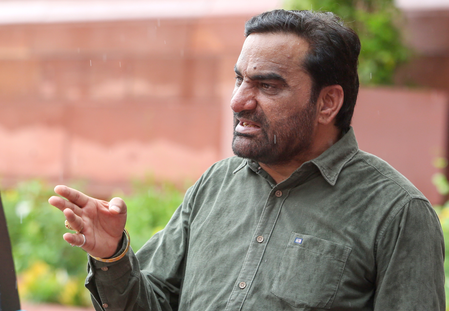
Nagaur MP and Rashtriya Loktantrik Party’s National President, Hanuman Beniwal, expressed worries about workers’ rights in the Lok Sabha during a discussion on the Industrial Relations Code (Amendment) Bill, 2026. Beniwal emphasized the need for a policy mandating 80% local employment in industries to protect workers’ interests. He criticized the proposed amendments, stating they could weaken workers’ rights and benefit industrialists instead.
Beniwal highlighted issues concerning the rights and security of various categories of workers, including factory employees, contract laborers, and gig workers. He argued that the Bill, though presented as providing clarity, might actually lead to increased insecurity for workers. Beniwal pointed out that trade unions nationwide oppose the Bill, suggesting that it does not truly benefit workers as claimed by the government.
During the debate, Beniwal raised constitutional concerns, stating that certain provisions of the Bill could violate fundamental rights guaranteed under Articles 14, 19(1)(c), and 21. He stressed the importance of rights to equality, forming trade unions, and the right to strike, which could be compromised by the proposed amendments. Beniwal asserted that job insecurity, arbitrary layoffs, and delays in dispute resolution could undermine the dignity of workers, as protected under Article 21.
Referring to the Directive Principles of State Policy, Beniwal accused the government of neglecting principles related to social and economic justice, livelihood protection, and worker participation in management. He emphasized the significance of these principles in guiding governance and ensuring justice for workers. Beniwal cited instances from Rajasthan’s industrial sector to illustrate reported worker deaths, labor welfare neglect, and alleged corruption in Labor Department offices.
Beniwal clarified that his stance is not against industry, investment, or reform but rather against laws that are detrimental to labor rights. He called for extensive consultations with trade unions, industry bodies, and state governments before advancing the Bill. Beniwal advocated for balanced provisions on strikes and collective bargaining, timely establishment of industrial tribunals, and a policy mandating 80% local employment in industries like cement and refineries.
