


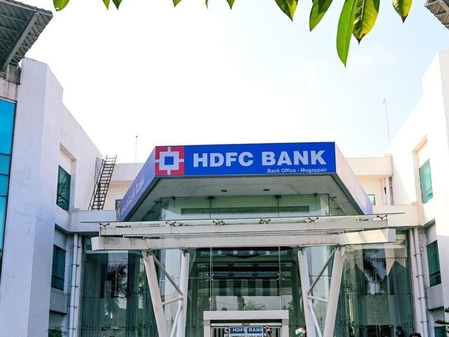
Leadership uncertainty at HDFC Bank is causing concerns in India’s banking sector, according to brokerage firm Jefferies. The controversy has impacted benchmark valuations and limited the potential for banking stocks to revalue, despite their strong fundamentals.
Investor sentiment towards the banking industry has been affected by uncertainties surrounding HDFC Bank’s top management transition and geopolitical tensions in West Asia. This has led to distorted valuation benchmarks for the sector and constrained the upside for various banking stocks.
Jefferies highlighted that the sudden departure of HDFC Bank’s chairman towards the end of the CEO’s tenure in October resulted in a significant decline in the bank’s stock value. This decline has had a ripple effect on the valuation metrics of other banks, given HDFC Bank’s prominent position in the sector.
ICICI Bank, historically trading at a premium compared to HDFC Bank, is now commanding a higher premium following the chairman’s exit. On the other hand, banks like Axis Bank, State Bank of India, and Kotak Mahindra Bank, which used to trade at a discount to HDFC Bank, are now available at a smaller discount. Jefferies noted that this compression has limited the potential for further revaluation in these stocks until HDFC Bank’s valuation stabilizes.
Despite stable earnings in the March quarter, positive credit growth trends, and improving asset quality, Indian banking stocks are currently trading at multi-year low valuations. This is happening even as management commentary remains reassuring about the impact of the West Asia conflict.
According to Jefferies, the Nifty Bank index has declined approximately 6% this year, in line with the benchmark Nifty index. Private sector banks have seen a nearly 7% decrease, while PSU banks have remained marginally positive.
