


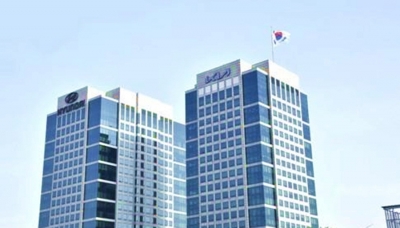
Sales of Hyundai Motor and Kia vehicles in the United States saw a slight decline compared to the previous year, with hybrid vehicle sales reaching a new monthly peak, the automaker revealed. In April, the South Korean automakers collectively sold 159,216 vehicles in the crucial American market, marking a 2.1 percent decrease from the same period last year, as reported by the companies.
Hyundai Motor recorded sales of 86,513 units, reflecting a 1.5 percent drop from the previous year, while its luxury brand Genesis experienced a 0.8 percent increase with 6,356 units sold. On the other hand, Kia witnessed a 2.8 percent decrease in sales compared to the previous year, selling 72,703 units.
The decline in overall sales was attributed to a base effect stemming from a surge in sales the previous year, driven by customers rushing to buy cars before the implementation of auto tariffs by Washington, according to the company. Notably, sales of eco-friendly vehicles, including electric vehicles (EVs), surged by 47.6 percent year-on-year to reach 48,425 units.
Demand for hybrid cars notably spiked by 57.8 percent compared to the previous year, influenced by the U.S. government’s decision to end EV tax credits. EV sales also saw a slight increase of 7.7 percent, totaling 7,186 units, according to the automakers.
Online shopping in South Korea witnessed a 13.3 percent rise from the previous year, reaching a new monthly peak in March, driven by robust demand for Tesla vehicles and transactions in food services, as per government data released on Monday. The value of online shopping in March stood at 25.58 trillion won (US$17.37 billion), marking a 3.03 trillion won increase from the previous year, based on data from the Ministry of Data and Statistics.
The March figures represented the highest monthly level since 2017 when the ministry began compiling such data. Spending on automobiles and auto accessories surged by 109.9 percent year-on-year, supported by online ordering systems for Tesla models. Additionally, sales of food services increased by 14.2 percent from the previous year, while food and beverage sales jumped by 13.3 percent.
Purchases made through smartphones, tablets, and other mobile devices rose by 11.6 percent from the previous year to 19.4 trillion won, setting a new record.
