


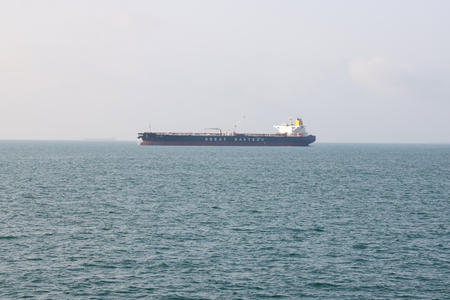
The energy crisis, stemming from the closure of the Strait of Hormuz during the Middle East conflict, has revealed differing approaches by India and China towards their neighbors in times of need. China’s energy offers to Taiwan come with political conditions, while India supplies fuel to Nepal and Sri Lanka through existing frameworks without imposing sovereignty or political alignment requirements. China swiftly suspended new fuel export contracts and aimed to cancel existing shipments, impacting countries like Australia, Bangladesh, and the Philippines.
China’s response to the crisis was perceived as self-serving, with Beijing leveraging its energy advantage and renewable energy sector to navigate the situation. In contrast, India’s response involved providing substantial fuel aid to Sri Lanka, maintaining uninterrupted fuel deliveries to Nepal and Bhutan, and ensuring additional diesel supplies to Bangladesh through cross-border pipelines. These actions align with India’s “Neighbourhood First” doctrine, emphasizing consistent support to neighbors during crises.
China, in its response, sought to exploit the crisis to exert political pressure on neighboring countries, including offering oil to Taiwan in exchange for peaceful reunification with mainland China. However, Taiwan rejected this proposition, highlighting the stark differences in approach between China and India during the energy crisis. India’s actions underscore a commitment to supporting neighbors without attaching political conditions, showcasing a distinct diplomatic stance in times of regional turmoil.
