


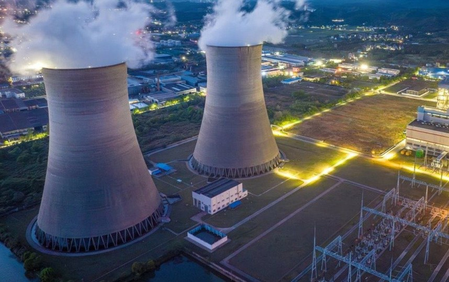
A significant outcome of the recent India–Australia annual summit in Melbourne was the conclusion of the Administrative Arrangement under the Civil Nuclear Cooperation Agreement. This agreement allows for the long-term export of Australian uranium to India for peaceful purposes under IAEA safeguards. Australia, holding a substantial portion of global uranium resources, will provide India with assured access to uranium, enhancing the fuel base for India’s nuclear power program.
The Civil Nuclear Agreement between India and Australia not only strengthens India’s fuel security but also diversifies its uranium imports. This agreement plays a crucial role in India’s long-term energy security and nuclear aspirations, aligning with the Nuclear Energy Mission aiming for 100 GW of nuclear power capacity by 2047. Additionally, it deepens the comprehensive strategic partnership between the two countries in the Indo-Pacific region.
Nuclear power, being a low-carbon energy source, contributes firm capacity to India’s non-fossil energy mix. It is poised to meet the energy demands currently fulfilled by coal while supporting the energy needs of various sectors like industry, data centers, and the digital economy. India’s commitment to achieving net-zero emissions by 2070 underscores the importance of nuclear power in its clean energy transition.
Australia’s decision to supply uranium to India reflects confidence in India’s strong non-proliferation record and responsible use of nuclear technology. This move further cements the India–Australia Comprehensive Strategic Partnership, adding a robust energy dimension to their cooperation across various sectors including trade, defense, technology, and critical minerals.
