


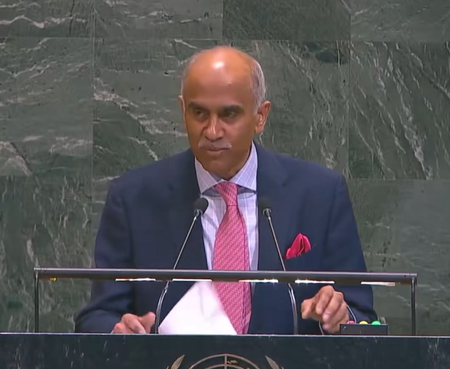
India emphasized the need for a substantial overhaul of the United Nations Security Council, stating that the current “marginal reform” is insufficient to address modern challenges. India’s Permanent Representative to the UN, P Harish, highlighted that the Council’s structure, established in 1945, does not adequately reflect the current global landscape. He stressed the importance of expanding both permanent and non-permanent member categories for a more effective and relevant Security Council.
The existing Council configuration, designed post-World War II, has not evolved to meet present-day demands, according to India. The call for reform includes a push for increased representation from both permanent and non-permanent members to align with the current geopolitical realities. India pointed out that the Council’s current structure, with veto-wielding permanent members established in 1945, no longer serves the diverse and dynamic global community.
India also highlighted the exclusion of Africa, where many peacekeeping operations are based, from the Council’s decision-making processes. The country underscored the necessity for a more transparent and accountable reporting mechanism within the Council to enhance its effectiveness in maintaining international peace and security. India urged for a more analytical approach in the Council’s annual report, focusing on areas of improvement and gaps in fulfilling its core mandate.
