


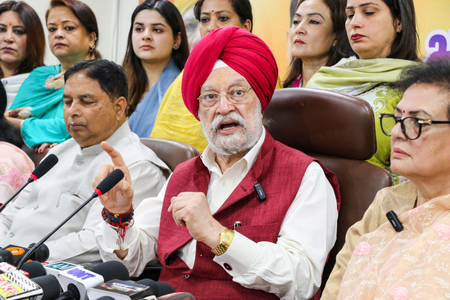
A shift of just one percent in India’s annual petrol vehicle sales to ethanol-powered vehicles could result in savings of nearly Rs 195 crore in foreign exchange during an ethanol supply year, as per Petroleum and Natural Gas Minister Hardeep Singh Puri. Puri highlighted at an event in New Delhi that the introduction of mass-market flex-fuel mobility signifies a significant step in India’s move towards reducing reliance on imported fossil fuels and promoting cleaner transportation options. The minister emphasized that this transition would enhance the country’s energy security and align with the government’s strategy to boost domestically produced biofuels.
Puri further stated that the launch of mass-market flex-fuel mobility is now underway, showcasing the government’s dedication to expanding the utilization of ethanol-based fuels in the transportation sector. He also revealed plans to make E85 fuel, comprising up to 85 percent ethanol blended with petrol, accessible through designated fuel stations nationwide. According to Puri, E85 fuel is expected to be notably cheaper than traditional petrol, presenting consumers with an appealing and economical alternative.
Highlighting the potential benefits, Puri noted that increased adoption of ethanol-powered vehicles could substantially decrease India’s import expenditure on crude oil and petroleum products while fostering a higher demand for locally produced ethanol. India has been progressively increasing ethanol blending in petrol as part of its strategy to curtail fossil fuel imports, reduce carbon emissions, and create additional revenue streams for farmers through the biofuel value chain.
In a separate development, Union Minister for Road Transport and Highways Nitin Gadkari recently introduced an indigenous ethanol-based cooking stove technology aimed at producing cooking flames at a lower cost compared to commercial LPG cylinders. Gadkari unveiled this technology during an event in Nagpur on May 25, mentioning that the new method utilizes a blend of ethanol and water to generate flames suitable for cooking purposes. By mixing 7 percent ethanol in water, the technology produces stove-like flames that are cost-effective and indigenous to India.
