


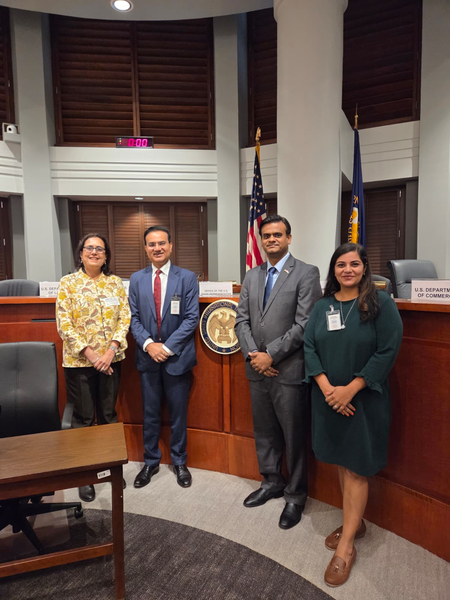
India expressed concerns over the U.S. Trade Representative’s proposed Section 301 tariff framework, arguing that it contradicts efforts to eliminate forced labor by exempting certain products while imposing broad import restrictions on countries like India. Dr. Brij Mohan from the Ministry of Commerce and Industry highlighted inconsistencies during a public hearing, stating that the exemptions weaken the USTR’s objective.
Dr. Mohan clarified that India’s objection was not against exemptions per se but rather the perceived flaws in the USTR’s approach. He pointed out that the USTR’s own exemptions for products not readily available in the U.S. or from other sources raised doubts about the necessity of imposing widespread tariffs. Additionally, he criticized provisions allowing reduced tariffs for textile and apparel imports using U.S.-origin materials, arguing that they fail to adequately address forced labor concerns.
India’s detailed submission to the USTR questioned the rationale behind proposed exemptions, emphasizing that they undermine the goal of eradicating forced labor from supply chains. Dr. Mohan specifically criticized the proposal to offer lower tariff rates on textile and apparel imports tied to U.S.-made inputs, suggesting it incentivizes sourcing decisions rather than addressing labor issues. He also raised concerns about exemptions for agricultural products associated with forced labor risks, noting inconsistencies in the U.S.’s approach.
India reiterated its willingness to engage in dialogue with the U.S. to address any specific concerns related to imports and exports involving forced labor issues. Dr. Mohan emphasized the importance of resolving such matters within the framework of Indian-U.S. trade negotiations rather than through the ongoing investigation.
