


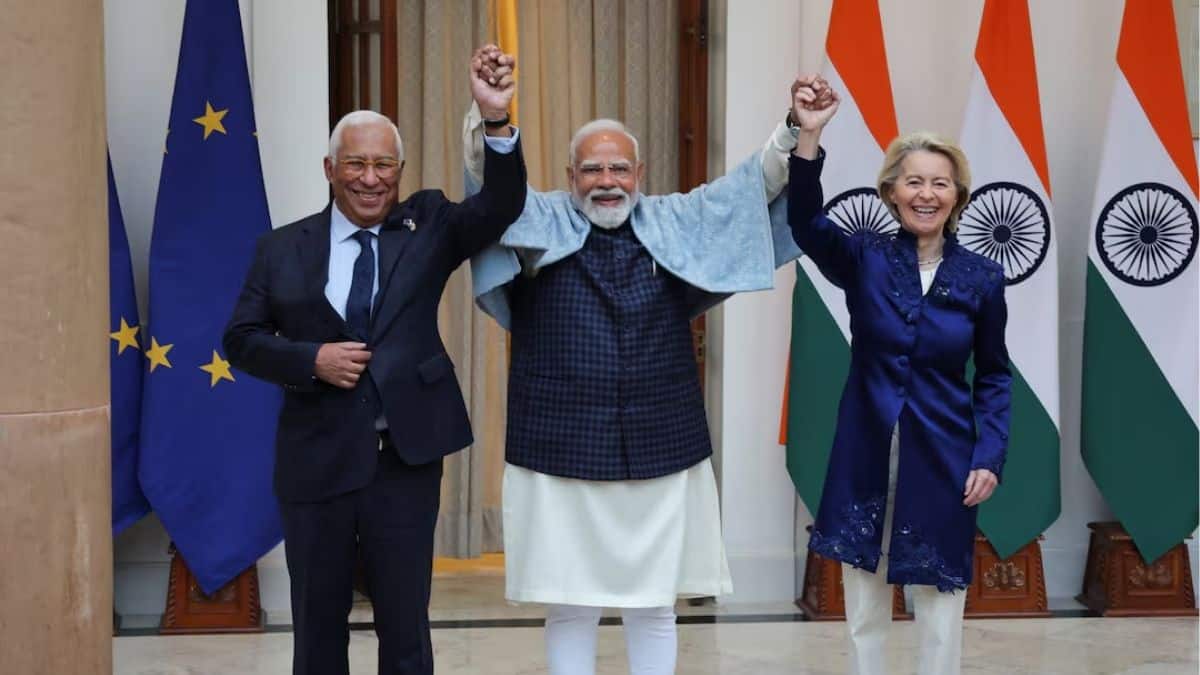
India and the European Union have concluded negotiations for a landmark Free Trade Agreement after an 18-year wait, promising significant price reductions on luxury goods, automobiles, alcoholic beverages, and medical products for Indian consumers.
European Commission President Ursula von der Leyen described the historic pact as “the mother of all trade deals,” opening European markets to Indian exports while making premium European products more accessible to Indian buyers through substantial duty reductions.
Luxury Automobiles to See Major Price Cuts
Premium European car brands including Mercedes-Benz, BMW, and Audi currently face import duties exceeding 100 percent in India. Under the new agreement, vehicles priced above 15,000 euros (approximately Rs 16 lakh) will initially attract a reduced duty of 40 percent, eventually declining to just 10 percent. This progressive reduction could slash prices by several lakhs of rupees.
The agreement incorporates quota-based duty concessions to safeguard India’s rapidly growing domestic automotive industry. A Commerce Ministry official confirmed that vehicles priced below Rs 25 lakh remain protected, as EU manufacturers have limited interest in India’s small car segment, which dominates the Rs 10-25 lakh price bracket.
Imported Wines and Premium Spirits Get Affordable
Wine enthusiasts can celebrate as imports from renowned European markets including France, Italy, and Spain will become significantly cheaper. India’s current 150 percent import duty on wine will be reduced to 20 percent under the pact, though implementation will occur gradually over 5-10 years to minimize impact on domestic producers.
Premium spirits including cognac, high-end gins, and vodkas will also see price reductions. However, wines priced below 2.5 euros remain excluded from duty concessions to protect Indian winemakers. Simultaneously, Indian wines will gain duty-free access to 27 European markets.
Healthcare Becomes More Accessible
European pharmaceutical products and medical equipment will become more affordable for Indian consumers. The agreement reduces costs for imported cancer medications and treatments for critical illnesses, alongside cutting prices on advanced medical equipment manufactured in Europe.
Indian pharmaceutical manufacturers will benefit equally, gaining access to European markets across 27 member countries, potentially boosting the nation’s healthcare export sector.
Electronics and Technology Products
The trade deal eliminates tariffs on aircraft spare parts, mobile phone components, and sophisticated electronic items imported from Europe. This reduction in manufacturing costs for gadgets assembled in India could translate to lower retail prices for consumers, particularly for smartphones and high-tech devices.
Construction and Industrial Sectors to Benefit
Proposed zero tariffs on iron, steel, and chemical products could reduce raw material costs across construction and industrial sectors. This price reduction may ultimately benefit homebuyers and infrastructure development projects throughout India.
The comprehensive trade agreement represents a significant victory for Indian exporters, particularly in garments, leather goods, and jewellery sectors, providing access to the substantial European consumer market while simultaneously making quality European products more accessible to Indian buyers.
