


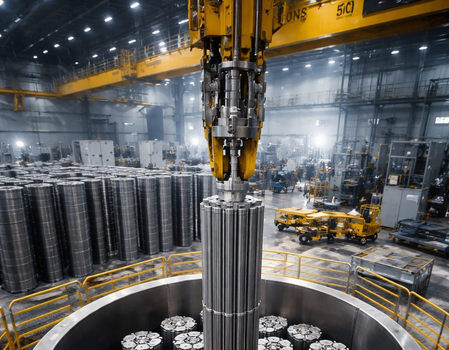
India has made significant progress towards achieving long-term nuclear self-reliance, marking a crucial milestone in its three-stage nuclear program. The country’s strategy to address fuel constraints and establish a sustainable nuclear energy foundation is described as a potential turning point. India, known for its limited uranium resources, has a substantial reserve of thorium, offering a unique opportunity for the future.
The adoption of a long-term approach, focusing on thorium conversion, has been emphasized over quick fixes. This strategic vision has guided India’s three-stage nuclear program, which involves transitioning from uranium to plutonium and eventually harnessing thorium. Recently, India’s Prototype Fast Breeder Reactor (PFBR) achieved criticality for the first time on April 6th, a significant milestone in becoming self-sustaining.
The achievement of criticality signifies India’s capability to operate a reactor using plutonium-based fuel, paving the way for expanding its nuclear fuel capabilities. Despite the technological complexities involved in breeder reactors, India’s persistence in this pursuit has been highlighted. While challenges persist, this advancement could reduce India’s reliance on imported uranium and enhance its energy security in the long run.
