


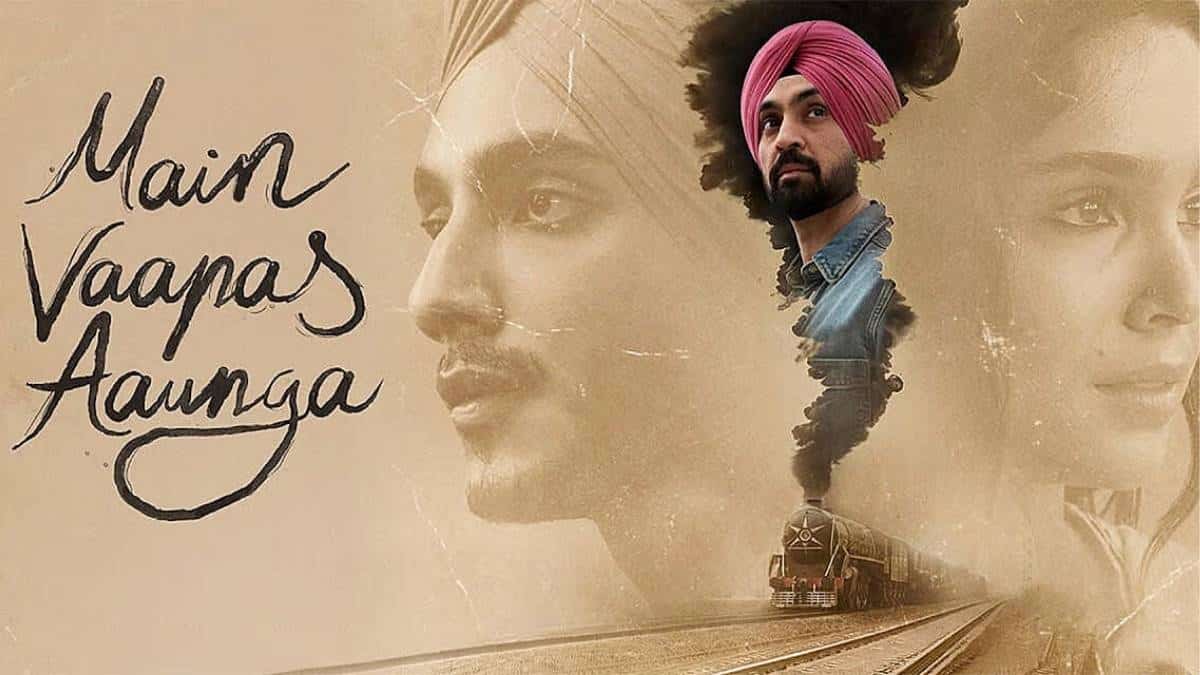
Imtiaz Ali returns with “Main Vaapas Aaunga”, a deeply emotional drama that weaves together a pre-Partition love story with a modern-day romance, anchored by powerhouse performances from Naseeruddin Shah and Diljit Dosanjh. Reuniting the director with his “Chamkila” star, the film travels between Chandigarh and Sargodha, between 1947 and the present day, to explore generational trauma, lost love, and the long road to forgiveness. With a stellar ensemble cast and a story that resonates with the soul of a divided subcontinent, this is a film that lingers long after the credits roll.
“Main Vaapas Aaunga” is a moving and ambitious drama from Imtiaz Ali that beautifully intertwines a Partition-era love story with a present-day tale of a grandson trying to fulfil his ailing grandfather’s last wish. Naseeruddin Shah delivers a towering, career-defining performance as the 95-year-old Ishar Singh Grewal, while Diljit Dosanjh brings warmth, humour and heart to the role of Nirvair. Vedang Raina and Sharvari shine as the young lovers from the past, and the supporting cast adds richness and depth to every frame. A heartfelt tribute to memory, healing, and the power of going home.
Cast & Crew
| Role | Name |
|---|---|
| Director | Imtiaz Ali |
| Writers | Imtiaz Ali, Nayanika Mahtani |
| Production | Applause Entertainment |
| Cast | Naseeruddin Shah, Diljit Dosanjh, Vedang Raina, Sharvari, Banita Sandhu, Manish Chaudhri, Danish Pandor, Anjana Sukhani, Babita, Sanjay Suri, Rajat Kapoor, Vinod Nagpal |
Plot Summary
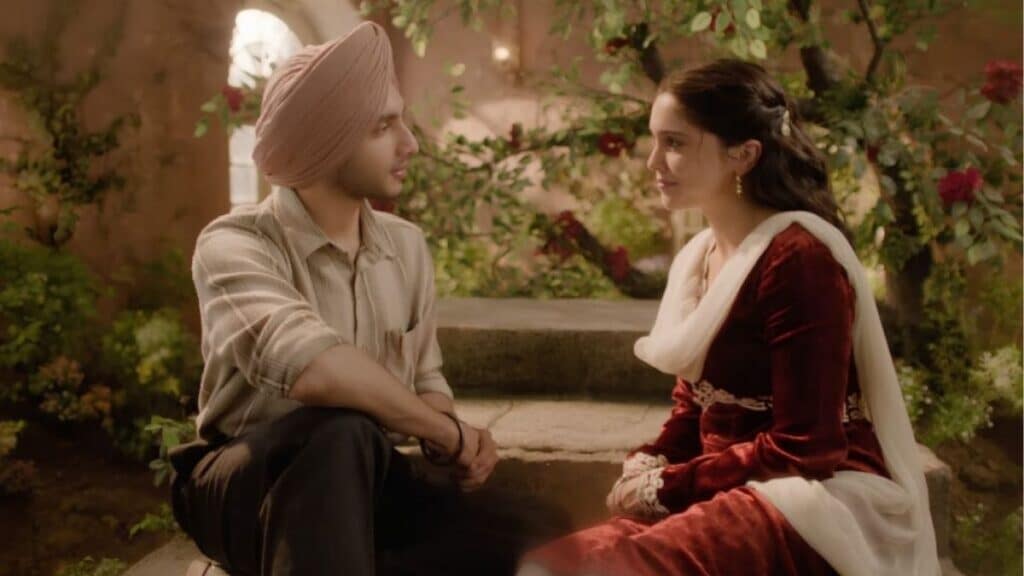
The story opens with 95-year-old Ishar Singh Grewal (Naseeruddin Shah), a Chandigarh resident whose fading memory keeps pulling him back to Sargodha, a town that now lies across the border in Pakistan. His grandson Nirvair (Diljit Dosanjh) flies in from the UK, leaving behind his job and girlfriend Jiya (Banita Sandhu), to be by his grandfather’s side. As Ishar’s incoherent mumblings reveal unfinished business from decades ago, the film transports us to pre-Partition Punjab, where a young Ishwar (Vedang Raina) shares a tender, forbidden romance with Jiya (Sharvari), a love cut short by the horrors of 1947. As the past and present intertwine, Nirvair becomes the bridge that helps his grandfather find peace, while discovering his own path to love and healing along the way.
Performances
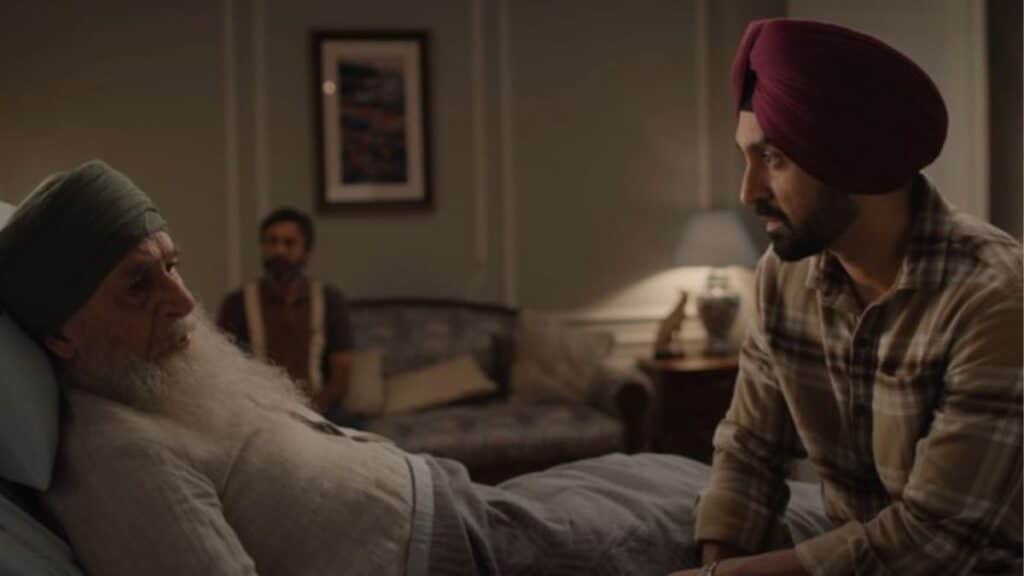
Naseeruddin Shah is the heart and soul of this film. His portrayal of the elderly Ishar Singh is nothing short of masterful, capturing decades of suppressed pain, longing and guilt with extraordinary nuance. Every tremor, every outburst, and every quiet moment of his performance carries the weight of a lifetime, making this one of the most memorable roles of his illustrious career.
Diljit Dosanjh brings his trademark charm, wit and emotional depth to the role of Nirvair. He balances humour with vulnerability beautifully, especially in the scenes where he tries to process his grandfather’s pain through stand-up comedy. His singing moments add a soulful touch that elevates the film’s emotional core.
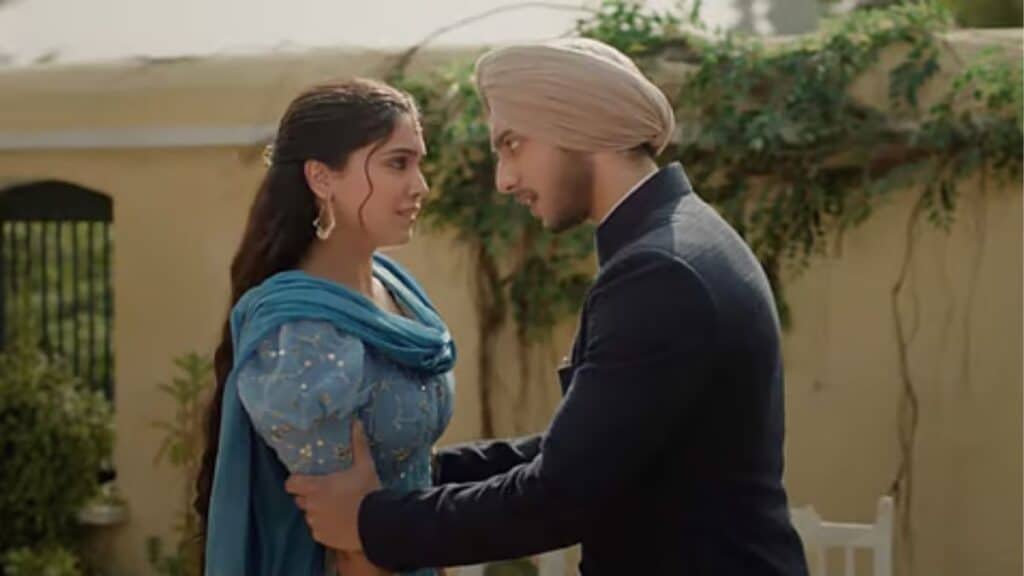
Vedang Raina is wonderfully earnest as the young Ishwar, bringing a youthful innocence and quiet intensity to a character shaped by love and loss. He holds his own in a film full of seasoned performers and shows great promise.
Sharvari is luminous as Jiya, lighting up every frame she’s in. Her chemistry with Vedang Raina adds warmth to the period portions, and she brings a gentle strength to a character defined by separation and longing.
Banita Sandhu shines in her role as Nirvair’s present-day love interest, bringing relatability and charm to the modern-day romance thread, grounding the film’s emotional balance between past and present.
Rajat Kapoor leaves a strong impression as Ishwar’s older son, bringing quiet complexity to a character grappling with conflicted emotions about his father’s past, adding another layer of depth to the family drama.
Sanjay Suri delivers a memorable, transformative turn in a role that’s easy to miss but impossible to forget once recognised, showcasing his versatility as a performer.
Manish Chaudhri, Danish Pandor, Anjana Sukhani, and Babita all add texture and authenticity to the ensemble, each bringing their own flavour to the film’s rich tapestry of characters.
Vinod Nagpal, in a brief but powerful role as Ishwar’s younger brother, delivers one of the film’s most quietly devastating moments, proving that impact isn’t measured by screen time.
Technical Analysis
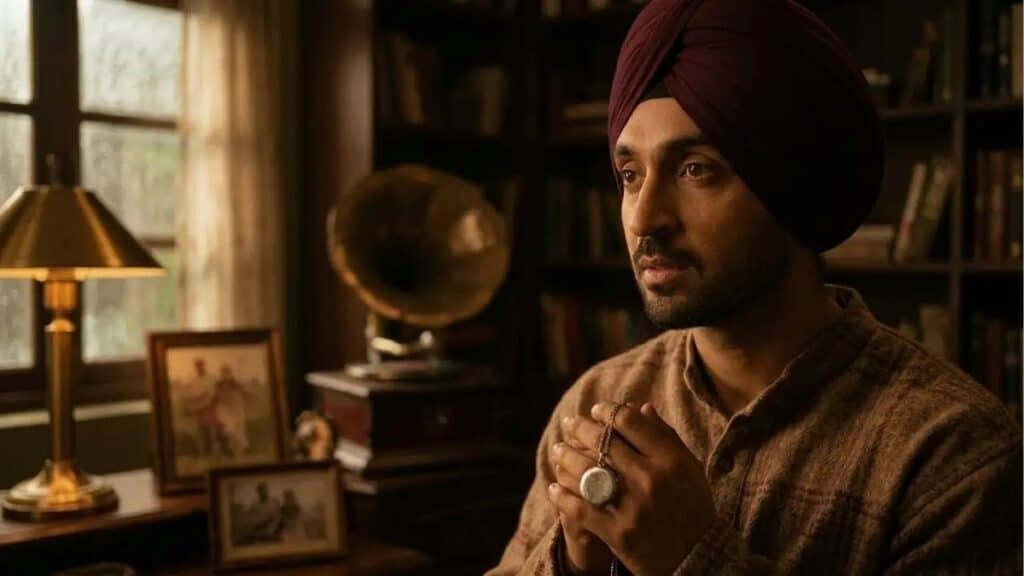
Direction: Imtiaz Ali once again proves his mastery over stories that blend romance with larger social and historical themes. His sensitive handling of the Partition narrative, especially in today’s climate, is both brave and timely.
Cinematography: The visual contrast between the sun-drenched nostalgia of pre-Partition Punjab and the more grounded present-day frames adds a poetic layer to the storytelling.
Music: The soundtrack, particularly Nirvair’s heartfelt solo about refugees longing for home, is one of the emotional high points of the film and stays with you well after the credits roll.
Editing: The narrative weaves between two timelines with care, and while the first half could have been tightened, the second half flows with real purpose and emotional momentum.
Also Read: Habeebi Movie Review: A Heartfelt Tamil Period Romance That Celebrates Love, Legacy, and Tradition
Strengths & Weaknesses
Strengths:
- Naseeruddin Shah’s towering, unforgettable performance
- A timely and sensitively handled exploration of Partition’s lasting impact
- Diljit Dosanjh’s warm, layered performance with strong musical moments
- Beautiful chemistry and supporting work from the ensemble cast
- A powerful, emotionally rousing second half and climax
- A meaningful message about healing, forgiveness and homecoming
Areas that could have been tighter:
- The first half takes a little time to find its rhythm before settling into its emotional groove
- A few subplot threads, like the farmers’ sequence, feel like they could have been woven in more seamlessly
- The period romance could have used a touch more spark between the young leads
Final Verdict: ⭐⭐⭐⭐ 4.5/5
“Main Vaapas Aaunga” is a heartfelt, important and beautifully performed film that uses one family’s story to reflect on a wound that still shapes our present. Anchored by an extraordinary Naseeruddin Shah and a warm, soulful Diljit Dosanjh, with strong support from Vedang Raina, Sharvari, Banita Sandhu and the rest of the ensemble, Imtiaz Ali has crafted a film that is both a memorial and a message of hope. A must-watch for anyone who believes in the power of stories to heal.
What is the age rating of Main Vaapas Aaunga?
The film deals with mature historical themes, including Partition-era violence, and is recommended for mature audiences.
Is Main Vaapas Aaunga suitable for children?
Given its emotional intensity and depiction of historical violence, the film is best suited for teenagers and adults rather than young children.
Is Main Vaapas Aaunga based on a true story?
While the film is a fictional story, it is deeply rooted in the real historical events of the 1947 Partition of India, drawing on collective memories and experiences from that era.
