


The Pahalgam terror attack in April 2025 marked a significant turning point, leading to a severe breakdown in relations between India and Pakistan. Following the attack, India suspended the Indus Water Treaty, citing the inability for blood and water to coexist, resulting in a halt to formal trade activities. This move exacerbated Pakistan’s already fragile economy, with Pakistan accusing India of weaponizing water.
The Indus Water Treaty, established in 1960 with the World Bank’s mediation, granted India control over eastern rivers while assigning rights over western rivers to Pakistan. In response to the Pahalgam attack, India launched Operation Sindoor, a military campaign targeting terror infrastructure across the Line of Control and within Pakistani territory. This operation achieved military superiority for India without triggering a full-scale nuclear conflict, dismantling key terror group facilities.
India strategically paused the Indus Water Treaty, withholding real-time flood data and accelerating dam construction on western rivers post-Pahalgam. By suspending meetings of the Permanent Indus Commission and dispute resolution mechanisms, India aims to pressure Pakistan to end cross-border terrorism before reactivating the treaty. Pakistan, heavily reliant on the Indus water system for agriculture, faces water scarcity and reduced crop yields due to India’s actions.
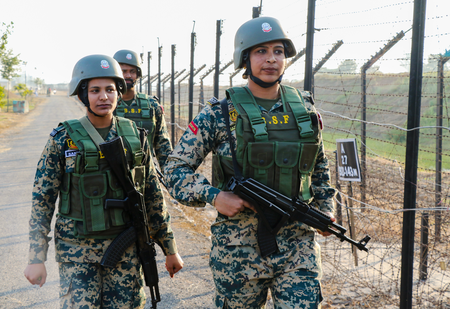
Pakistan has raised concerns over India’s water management, labeling it as water terrorism and a breach of international law. The standoff persists, with India justifying its stance as a response to Pakistan’s alleged support for militancy. Amid escalating tensions, the border remains militarized, bilateral trade is at a standstill, and both countries maintain a nuclear deterrence preventing direct conflict. Pakistan seeks international relevance through diplomatic engagements while India focuses on strategic decoupling from Pakistan.
