


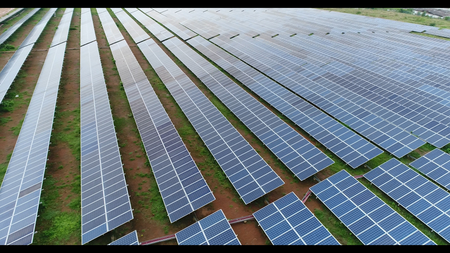
India is on track to achieve its goal of reaching 500 gigawatts (GW) of non-fossil fuel power capacity by 2030, as stated by a senior government official. Currently, the country has approximately 260 GW of non-fossil fuel capacity, with plans to add around 240 GW in the coming years, primarily through renewable energy projects. Solar power is expected to contribute the largest share, with nearly 160 GW, followed by around 30 GW from wind energy, and the remainder from a combination of small and large hydro projects and nuclear power.
According to the official, nuclear energy is projected to add about 8 to 10 GW by 2030. There is potential for India to surpass the 500 GW target if significant data center projects proceed as anticipated. The increasing electricity demand from data centers and the shift of carbon-intensive industries towards cleaner energy sources are driving factors in this transition.
In a recent update, the government reported a record renewable energy capacity addition in 2025, reaching 44.51 GW by November, almost double the capacity added during the same period the previous year. The total renewable energy installed capacity in November 2025 stood at 253.96 GW, marking a notable increase of over 23% compared to November 2024. The Ministry of New and Renewable Energy highlighted a capacity addition of 34.98 GW in the recent period, a significant rise from the previous year.
