


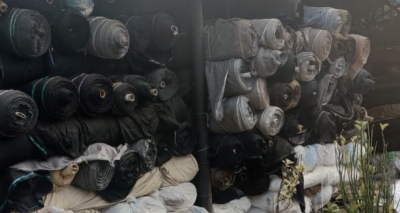
More than 70% of India’s textile waste is recycled, upcycled, or reused in the circular economy, as per a recent government report. This sustainable practice helps in reducing waste and emissions while promoting longer resource use. The textile sector emphasizes sustainability and circularity to mitigate the negative impacts of the supply chain.
Over 90% of the 7.8 million tonnes of annual textile waste in India comes from domestic sources, both pre-consumer and post-consumer. The pre-consumer stage sees a high recovery rate of almost 95%, showcasing efficient reuse within established value chains. Circularity is evident in the spinning sector, where most spinning waste is reintegrated into production processes.
India’s textile industry supports around 40-45 lakh livelihoods, with a significant contribution from women in marginalized communities. Circular production practices are gaining momentum in the sector, leveraging India’s heritage of sustainable textile craftsmanship. The country’s rich textile legacy is gaining global recognition as markets increasingly value environmentally friendly products.
India’s textile recycling efforts are exemplified by facilities like the Municipal Textile Recovery Facility in Navi Mumbai and the textile hub in Panipat. These facilities focus on collection, sorting, processing, and upcycling to create a circular ecosystem. The informal network at Katran Market in Delhi showcases how cutting waste is collected, sorted, and sent for recycling, bridging the gap between local collection and textile recovery.
Sustainability is becoming a key driver for India’s textile sector growth, with policy measures supporting eco-friendly practices. Cleaner technologies, waste reduction, and responsible sourcing are essential for the sector’s competitiveness in global markets. The textile and apparel industry, a significant contributor to India’s GDP and manufacturing sector, is adapting to meet the evolving demands of sustainable production.
