


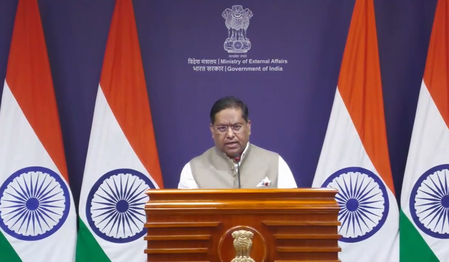
India dismissed claims in Pakistani media accusing New Delhi of intentionally causing flooding in Pakistan as unfounded and technically unsound. The Ministry of External Affairs spokesperson, Randhir Jaiswal, clarified that the rise in Chenab River’s water levels was due to heavy monsoon rains in Jammu and nearby regions from July 20 to 23. Jaiswal emphasized that Pakistan’s flood forecasting division had issued a flood advisory on July 22, attributing the increased river flows to natural weather conditions, not Indian interference.
India reiterated its commitment to sharing flood data with Pakistan for humanitarian reasons, similar to past practices. Jaiswal highlighted that Pakistan’s own Flood Forecasting Division, in its advisory on July 22, linked the high flood levels in the Chenab River to heavy rainfall in the upper catchment area. He emphasized that any insinuation of deliberate flood-related actions by India lacked factual basis. The sharing of high-flood data with Pakistan will continue through diplomatic channels when necessary.
Regarding the Indus Waters Treaty (IWT), India restated its position that the agreement remains suspended until Pakistan renounces its support for cross-border terrorism. Jaiswal reaffirmed India’s stance on the IWT, emphasizing that it will stay in abeyance until Pakistan unequivocally abandons its backing of cross-border terrorism. The IWT, signed in 1960 between India and Pakistan for the utilization of Indus system rivers’ waters, was put on hold by India following the Pahalgam terror attack last year, pending Pakistan’s credible renouncement of cross-border terrorism support.
