


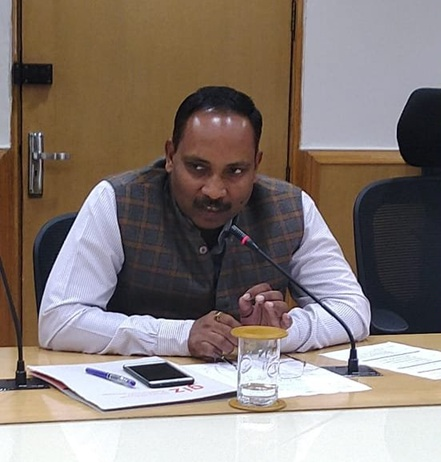
India is advised to reduce its reliance on fossil fuels and increase non-fossil sources to over 80% of its energy mix to reach its net-zero objective, according to a senior NITI Aayog official. Currently, more than 80% of India’s energy consumption comes from fossil fuels, with renewables and non-fossil sources contributing only 15-18%. The official emphasized the need to reverse this trend for India to achieve its net-zero status.
Speaking at the India Bio Energy Conference, the official highlighted the significance of energy security in a changing global scenario. India is urged to diversify its energy sources and import origins while maximizing the use of domestic resources. Recent global disruptions have led India to expand its energy sourcing network from 27 to over 40 countries.
Furthermore, the potential of coal gasification in enhancing India’s energy security was underscored. With around 300 billion tonnes of coal reserves, India can produce synthetic natural gas and other products to reduce import reliance. A recent government initiative worth Rs 37,500 crore aims to convert coal reserves into synthesis gas for manufacturing synthetic natural gas and industrial goods, potentially eliminating the need for natural gas imports.
Bio-energy was described as a crucial element of India’s green growth agenda and energy transition by TPCI Chairman Mohit Singla. He emphasized that bio-energy can help cut fossil fuel dependence, address waste management issues, create rural jobs, and support farmers. The conference also witnessed TPCI signing an MoU with the Sustainable Aviation Fuel Association to enhance collaboration in the sector.
