


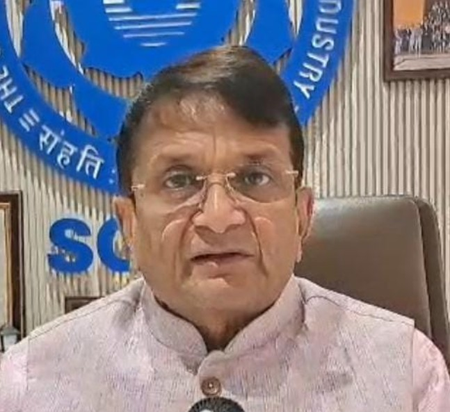
The recent trade agreement between India and the United States has brought optimism to the agriculture industry in South Gujarat. Stakeholders in the region believe that the deal will benefit farmers and traders while safeguarding domestic interests. Babubhai Shaikh, Director and Trader at the Agricultural Produce Market Committee (APMC) in Surat, praised the agreement for excluding agriculture and dairy farming, emphasizing its positive impact on Indian farmers.
Shaikh highlighted the significant advantages the deal offers to farmers in Gujarat, especially in South Gujarat. He mentioned that certain fruits like mango, sapota, papaya, and banana will now have zero percent tariff, providing relief and better market access for local farmers. The agreement also permits direct trade with the US under favorable conditions, benefiting both farmers and traders.
Moreover, strict regulations have been implemented to protect domestic producers from imports. Items such as citrus fruits, potatoes, peas, beans, and frozen vegetables are restricted from entering India, ensuring the safeguarding of local farmers. Shaikh emphasized that this approach aligns with the vision of doubling farmers’ income and will contribute to the country’s development.
In terms of vegetable exports, Shaikh noted that products like Indian beans and brinjal are exported to the US, with expectations of increased exports due to the removal of tariffs. The revised tariff structure under the deal is seen as advantageous for India, with the US reducing tariffs from 50 percent to 18 percent. This move is perceived as a positive development for India’s trade relations with the US.
The South Gujarat Chamber of Commerce and Trade President, Nikhil Madrasi, commended India’s strategy of diversifying global markets following US tariff hikes. He highlighted the importance of reducing tariffs and expanding into new markets to enhance India’s trade prospects. Madrasi emphasized the significance of the agreement in strengthening India’s stance on maintaining diverse trade partnerships and avoiding over-reliance on any single nation.
