


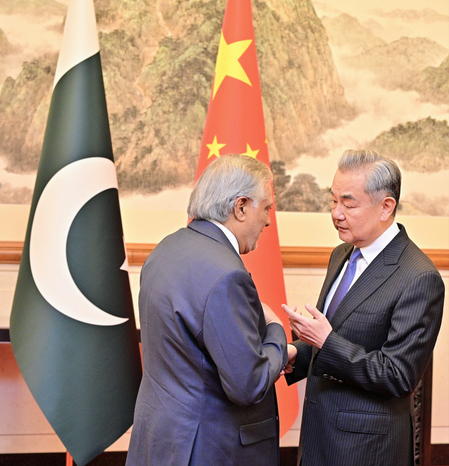
India emphasized that nations positioning themselves as responsible global actors should consider the repercussions of backing the protection of terrorist infrastructure in Pakistan. The Ministry of External Affairs spokesperson, Randhir Jaiswal, highlighted this concern during a media briefing in New Delhi, citing China’s alleged support to Pakistan during Operation Sindoor last year. Jaiswal described Operation Sindoor as a targeted response to terrorist activities in Pahalgam, aimed at dismantling state-sponsored terrorist infrastructure in Pakistan.
Several reports have indicated that Operation Sindoor showcased India’s domestically developed weapons systems against Chinese-supplied platforms used by Pakistan. According to US urban warfare expert John Spencer, who analyzed the operation, it was not just a military campaign but also a demonstration of technology, a market signal, and a strategic plan. Spencer praised India’s self-reliance in modern warfare, showcasing the effectiveness of ‘Atmanirbhar Bharat’ even under challenging circumstances.
Spencer, currently holding positions at Madison Policy Forum and the Urban Warfare Project, highlighted the disparity between India’s sovereign power and Pakistan’s proxy dependency during Operation Sindoor. He noted that India’s precision tools outperformed Chinese hardware used by Pakistan, revealing weaknesses in Islamabad’s defense capabilities. The operation, conducted in May 2025 following the Pahalgam terror attack, targeted terror infrastructures in Pakistan-occupied Kashmir and Pakistan.
India recently marked the first anniversary of Operation Sindoor, reiterating its stance against cross-border terrorism. The Ministry of External Affairs underscored that Pakistan has historically employed terrorism as a tool of state policy, emphasizing India’s right to self-defense while actively contributing to the global anti-terrorism efforts.
