


Indian agencies have successfully foiled multiple ISI-backed terrorist plots targeting India. Recent intelligence reveals Pakistan’s establishment of various disruptive networks within the country. These networks extend beyond terror modules to include spy rings and a significant honey-trapping network, with a focus on individuals in Jammu and Kashmir perceived as anti-Pakistan.
Additionally, hit squads have resurfaced, compiling hit lists of prominent figures, indicating the ISI’s extensive operational ambitions. In response to the Pahalgam attack, India conducted Operation Sindoor, intensifying border security and halting infiltrations. With no new infiltrations, Pakistan has reactivated existing modules in Jammu and Kashmir, instructing terrorists to strike in the region.
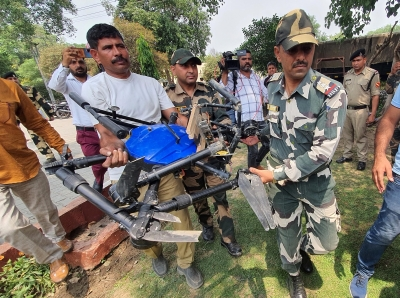
Heightened drone activity along border areas, particularly in Punjab, involves dropping off drugs and arms to revive the Khalistan movement. The ISI has directed the Lashkar-e-Taiba to conduct a sustained campaign in Jammu and Kashmir, targeting influential individuals labeled anti-Pakistan and anti-Kashmir. Notably, counter-terrorism expert Junaid Qureshi was recently targeted by the Lashkar-e-Taiba due to his criticism of the ISI.
The Gujarat ATS apprehended a youth for propagating terror group ideologies and preparing a hit list of seven individuals to sow panic in Gujarat. Intelligence Bureau officials highlight a discernible pattern in ISI’s strategy to keep Indian agencies occupied, aiming to recruit youth extensively. Pakistan seeks to promote homegrown terrorism in India to avoid infiltration and maintain deniability during attacks.
