


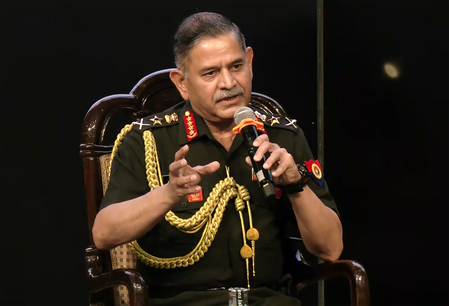
Outgoing Indian Army Chief Gen Upendra Dwivedi stated that the situation along the Line of Actual Control (LAC) is “stable, but sensitive,” highlighting the necessity for a robust deployment posture and readiness for any potential developments. Gen Dwivedi stressed the importance of constant vigilance, credible preparedness, and sustained engagement to maintain stability along the northern borders. He noted that disengagement agreements have helped enhance stability, with both sides demonstrating increased responsiveness and sensitivity to each other’s concerns.
When addressing the current scenario along the Line of Actual Control in Eastern Ladakh and the ensuing military-diplomatic interactions, Gen Dwivedi underscored the significance of vigilance, preparedness, and engagement through established mechanisms for ensuring stability. He mentioned that local issues arising from differing perceptions of the LAC are managed through military-to-military interactions, hotlines, flag meetings, and commander-level engagements. Gen Dwivedi highlighted the importance of over a thousand annual ground-level interactions between the two sides in addressing routine border management issues and averting misunderstandings.
Despite the stable situation, Gen Dwivedi cautioned against complacency, emphasizing the Indian Army’s continuous maintenance of a robust deployment posture and readiness for any contingencies. He outlined the prioritized areas of infrastructure development, surveillance, logistics, mobility, and capability enhancement along the Northern Borders. Gen Dwivedi reiterated the Indian Army’s commitment to peace and tranquillity, resolving local issues through dialogue and established mechanisms, while remaining fully prepared to address all eventualities.
Gen Dwivedi also emphasized the significance of ‘Atmanirbharta’ (Indigenisation) as a fundamental aspect of national security and future warfighting. He stressed the necessity for self-reliance in systems, industrial capabilities, and the ability to sustain prolonged conflicts during crises.
