


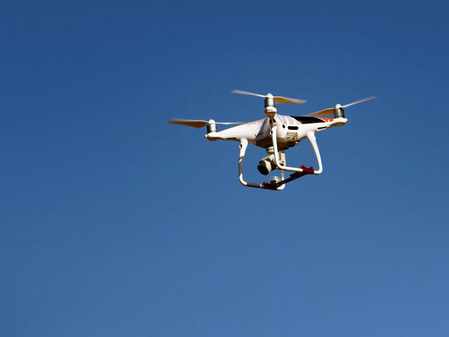
The Indian Council of Medical Research’s i-DRONE initiative has shown that using drones to transport TB sputum samples has improved access to diagnostic services in Telangana’s Yadadri-Bhuvanagiri district. With 840 participants, the program reduced the time for TB diagnosis from 15 days to 5 days by introducing drone-based sample transport. This innovation has significantly cut diagnostic delays, leading to quicker disease confirmation and clinical decision-making.
The study compared the traditional patient travel system for TB diagnosis with a drone-enabled model. Sputum samples were collected at nearby health centers and transported by drones to designated TB diagnostic laboratories. This shift has notably decreased out-of-pocket expenses for patients, dropping from around Rs 9,451 to just Rs 91. By facilitating local sputum collection, the drone phase saw a median out-of-pocket expenditure of zero, indicating reduced travel costs and wage loss for participants.
Through a hub-and-spoke network linking various health facilities, the intervention allowed patients to submit samples closer to their villages, eliminating the need for long travels to diagnostic centers. Dr. Rajiv Bahl, Secretary of the Department of Health Research and Director General of ICMR, emphasized the importance of affordable and timely diagnosis in India’s TB elimination efforts. He highlighted how technology can overcome geographical barriers, benefiting patients in remote regions.
Healthcare workers noted that drone-enabled transport enhanced efficiency, reduced delays, and gained community acceptance post-familiarization. The study also highlighted operational factors like weather challenges, payload limits, and ongoing training needs, emphasizing the necessity of meticulous planning for broader implementation.
