


Amid the West Asia crisis, the Indian government is prioritizing the safety of its citizens, ensuring repatriation of over 3.75 lakh Indians from conflict zones, including 700 medical students from Iran. Prime Minister Narendra Modi has engaged in discussions with leaders of West Asian nations to restore peace, emphasizing the importance of de-escalation and reopening the Strait of Hormuz. India has strongly condemned attacks on civilians and infrastructure, advocating for a peaceful resolution.
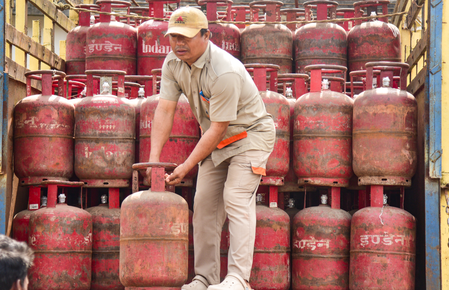
Moreover, Indian refineries are operating at full capacity with ample crude inventories, while domestic LPG production has increased, and petrol and diesel stocks remain sufficient. The government is actively managing supplies, ensuring uninterrupted shipments of crude oil and LPG. India has diversified its imports to 41 countries, built strategic petroleum reserves, and enhanced refining capacity to reduce dependence on foreign sources.
To enhance self-reliance, the government has launched a ‘Made-in-India’ shipbuilding mission, expanded shipbuilding capacity, and strengthened the defense sector for domestic weapon production. PM Modi has assured adequate fertilizer supplies for farmers and urged states to support vulnerable populations. The government has restored commercial LPG supply and increased allocations to meet demand, ensuring priority sectors receive necessary gas supplies.
In efforts to combat hoarding and black marketing, states are empowered to take action under relevant laws, with enforcement agencies conducting raids and inspections to curb malpractices. Indian seafarers in the Persian Gulf are safe, and maritime safety measures are in place, with vessels operating smoothly. The Ministry of External Affairs and Indian missions are facilitating the return of citizens, with flights operating from various countries to bring back Indians stranded in West Asia.
