


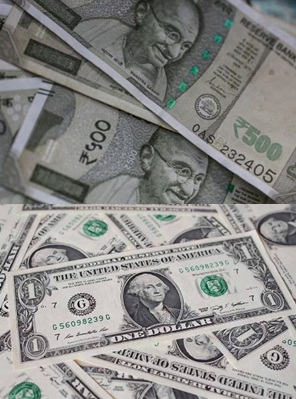
The Indian Rupee experienced its most significant one-day surge in almost 13 years on Thursday, closing at 93.10 against the US dollar. This surge was a result of increased efforts by authorities to control currency speculation. The Reserve Bank of India’s recent tightening of rules in both domestic and offshore markets contributed to this sharp rally.
The rupee saw a substantial increase of 1.7 percent to 93.25 during the day, marking its strongest rise since September 2013. Trading resumed after a three-day holiday break, with the central bank implementing measures such as barring banks from offering rupee non-deliverable forwards to clients, both resident and non-resident.
Efforts to reduce speculative activity in the currency market and stabilize the rupee included capping banks’ net open rupee positions at $100 million and prohibiting foreign exchange derivative deals with related parties. Analysts highlighted that India’s robust foreign exchange reserves, exceeding $700 billion, act as a buffer against volatility and allow the central bank to intervene if necessary.
Despite weak global cues, the rupee’s surge stood out. While Asian markets traded lower, with key indices like Japan’s Nikkei, Hong Kong’s Hang Seng, and South Korea’s KOSPI falling by up to 3 percent, the Indian currency strengthened. This occurred amidst escalating geopolitical tensions following signals of potential West Asia escalation by US President Donald Trump.
