


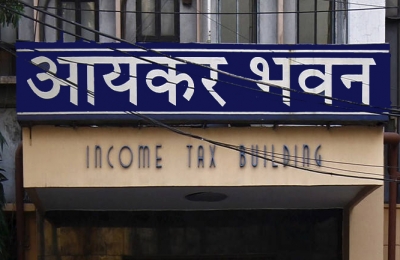
As India gears up for the new fiscal year FY27, the country’s direct tax system is undergoing a significant transformation starting April 1, 2026. The new Income Tax Act, 2025, will replace the long-standing 1961 legislation, bringing changes in compliance, terminology, and taxation. One major reform is the introduction of a single ‘tax year’ in place of ‘Financial Year’ (FY) and ‘Assessment Year’ (AY), aiming to streamline the filing process and enhance clarity for taxpayers.
The timelines for filing income tax returns have been adjusted under the new framework. While the deadline of July 31 remains unchanged for salaried individuals, non-audit cases like self-employed taxpayers and professionals now have until August 31 to file their returns. Additionally, the Securities Transaction Tax (STT) increase across futures and options will raise the cost of trading in derivatives, a move announced by Finance Minister Nirmala Sitharaman.
Changes in rules for claiming House Rent Allowance (HRA) include stricter requirements such as disclosing landlord details, including PAN, in specific cases. The scope of cities eligible for higher HRA exemption has expanded to include Bengaluru, Hyderabad, Pune, and Ahmedabad, alongside existing metros. Employee-related tax benefits have been improved, with raised exemptions on meal benefits and tax-free gifts annual limit.
Stock buybacks will now be taxed as capital gains instead of deemed dividends, impacting both promoters and retail investors. Modifications in tax treatment of Sovereign Gold Bonds limit redemption exemption to bonds acquired during original issuance. The new rules disallow the deduction of interest expenses against dividend and mutual fund income, even if funded through borrowings.
To simplify procedures, taxpayers can submit a single declaration to avoid TDS across multiple income streams. Buyers purchasing property from non-resident Indians can now deduct TDS using their PAN, eliminating the need for a TAN. Relief on overseas spending includes a reduced Tax Collected at Source (TCS) on foreign tours to a flat 2 percent and lowered TCS on remittances for education and medical purposes abroad.
Taxpayers now have an extended deadline until March 31 to revise returns, with additional charges for delayed submissions beyond December. Notably, interest received on compensation from the Motor Accident Claims Tribunal is now fully tax-exempt. The government has released income tax return forms (ITR-1 to ITR-7) for the assessment year 2026-27, allowing individuals, pensioners, and other taxpayers to file their returns within the specified timelines.
Experts highlight changes in the updated forms, such as ITR-1 (Sahaj) now accommodating income from up to two house properties, simplifying the filing process for many taxpayers.
