
Close Menu
  • Indian Festivals 2026
  • Movie & OTT Releases This Week
  • News
  • Entertainment
  • NRI Life
  • Research
  • Advertise with us
Facebook X (Twitter) Instagram YouTube
  • Download Indian Community App
  • Advertise Here
Facebook X (Twitter) Instagram
Indian CommunityIndian Community
Trending
  • Adarsh Baal Vidyalaya Review: A Heartwarming Triumph on India’s Education System
  • Musafir Cafe Review: Vikrant Massey’s Soulful Netflix Drama Is A Ode To Old-School Love
  • Jana Nayagan Movie Review: Vijay’s Grand Farewell Is a Blockbuster Spectacle Fans Will Never Forget
  • Max, Min & Miyaowzaki Movie Review: A Heartwarming Tale of Love, Loss & Healing Across Three Generations
  • Dastaar Movie Review: Tarsem Jassar’s Powerful Sikh Resilience Drama
  • Diamond Made Man Part 2 Review: A Cosmic Sci-Fi Spectacle That Soars
  • ‘Oka Court Case’ 2026 Movie Review: A Fresh Legal Love Drama That Wins Hearts
  • Rahun Main Tere Rubaru Review: A Gripping Tale of Love, Danger & Deception
  • Indian Festivals 2026
  • News
    • National
    • International
    • Entertainment
    • Achievements
    • Scam Alerts
    • Business
    • Health & Medicine
    • Science & Technology
    • Sports
  • Entertainment
  • Latest Movie Releases
    • Latest OTT Releases
  • NRI Life
  • India & Culture
  • Health & Wellness
  • Research
Indian CommunityIndian Community
Home » News » National
National

India’s Direct Tax System Set for Overhaul with New Income Tax Act

Indian Community Editorial TeamBy Indian Community Editorial TeamMarch 31, 20263 Mins ReadNo Comments Add us to Google Preferred Sources
India’s Direct Tax System Set for Overhaul with New Income Tax Act
Share
Facebook Twitter LinkedIn Pinterest Email

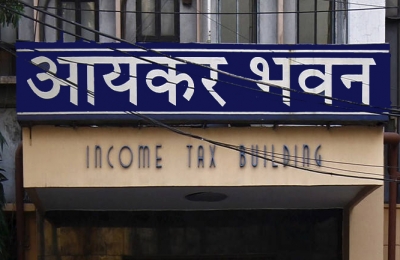
As India gears up for the new fiscal year FY27, the country’s direct tax system is undergoing a significant transformation starting April 1, 2026. The new Income Tax Act, 2025, will replace the long-standing 1961 legislation, bringing changes in compliance, terminology, and taxation. One major reform is the introduction of a single ‘tax year’ in place of ‘Financial Year’ (FY) and ‘Assessment Year’ (AY), aiming to streamline the filing process and enhance clarity for taxpayers.

The timelines for filing income tax returns have been adjusted under the new framework. While the deadline of July 31 remains unchanged for salaried individuals, non-audit cases like self-employed taxpayers and professionals now have until August 31 to file their returns. Additionally, the Securities Transaction Tax (STT) increase across futures and options will raise the cost of trading in derivatives, a move announced by Finance Minister Nirmala Sitharaman.

Changes in rules for claiming House Rent Allowance (HRA) include stricter requirements such as disclosing landlord details, including PAN, in specific cases. The scope of cities eligible for higher HRA exemption has expanded to include Bengaluru, Hyderabad, Pune, and Ahmedabad, alongside existing metros. Employee-related tax benefits have been improved, with raised exemptions on meal benefits and tax-free gifts annual limit.

Stock buybacks will now be taxed as capital gains instead of deemed dividends, impacting both promoters and retail investors. Modifications in tax treatment of Sovereign Gold Bonds limit redemption exemption to bonds acquired during original issuance. The new rules disallow the deduction of interest expenses against dividend and mutual fund income, even if funded through borrowings.

To simplify procedures, taxpayers can submit a single declaration to avoid TDS across multiple income streams. Buyers purchasing property from non-resident Indians can now deduct TDS using their PAN, eliminating the need for a TAN. Relief on overseas spending includes a reduced Tax Collected at Source (TCS) on foreign tours to a flat 2 percent and lowered TCS on remittances for education and medical purposes abroad.

Taxpayers now have an extended deadline until March 31 to revise returns, with additional charges for delayed submissions beyond December. Notably, interest received on compensation from the Motor Accident Claims Tribunal is now fully tax-exempt. The government has released income tax return forms (ITR-1 to ITR-7) for the assessment year 2026-27, allowing individuals, pensioners, and other taxpayers to file their returns within the specified timelines.

Experts highlight changes in the updated forms, such as ITR-1 (Sahaj) now accommodating income from up to two house properties, simplifying the filing process for many taxpayers.

Ahmedabad Bengaluru Finance Minister Nirmala Sitharaman Hyderabad Income-tax Act India Motor Accident Claims Tribunal Pune Sovereign Gold Bonds Tax Collected at Source TDS
Add us to Google Preferred Sources
Indian Community Editorial Team

The Indian Community Editorial Team curates, verifies, and publishes stories that matter to Indians worldwide. From culture and community to business and innovation, our mission is to spotlight voices, ideas, and events that bring our global community closer together. Have news or a story to share? Submit it to us at [email protected].

Related Posts

India-EU and India-UK Free Trade Agreements: What They Really Mean for Indian Immigration

Canada PR for Indians 2026: 4 Critical Steps to Secure Permanent Residency Through Express Entry

H-1B Visa Interview Appointments for Indians Pushed to 2027: What You Need to Know Now

Add A Comment

Nigeria Leads Medal Table at 2026 Commonwealth Games in Glasgow

July 24, 2026

UPT20 League Season 4 Player Auction Sees Intense Bidding War

July 24, 2026

President Droupadi Murmu Receives Honorary Doctorate for Advocating Education Transformation

July 24, 2026

Tragic Lightning Strike Kills Four in Bihar Village

July 24, 2026
  • Facebook
  • Twitter
  • Pinterest
  • Instagram
About Us
  • About Us
  • Contact Us
  • Terms of Service
Corporate
  • Download Indian Community App
  • Advertise Here
Facebook X (Twitter) Instagram
  • About Us
  • Contact Us
  • Terms of Service
© 2026 Designed by CreativeMerchants.

Type above and press Enter to search. Press Esc to cancel.