


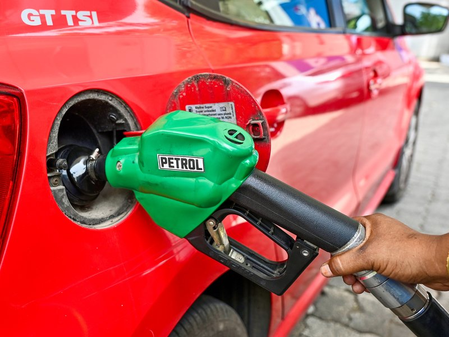
India’s Ethanol Blended Petrol (EBP) Programme, particularly the E20 fuel, has sparked concerns on social media regarding water usage, food security, vehicle performance, engine compatibility, and environmental impact. However, a thorough examination of scientific studies and official clarifications has revealed that many of these claims are inaccurate or misleading.
One prevalent claim suggests that producing one liter of ethanol requires 10,000 liters of water. This assertion is debunked as it inaccurately attributes the entire water footprint of crops like paddy to ethanol production. The actual water consumption within modern ethanol distilleries is reported to be around 3–5 liters per liter of ethanol, with advanced recycling technologies in place.
Criticism labeling E20 as an untested experiment has been refuted by government agencies, citing ethanol’s long history as a transport fuel. Countries like the United States and Brazil have successfully implemented ethanol-blended fuels for years, with established benefits and widespread usage. India’s adoption of E20 aligns with global practices in this regard.
