
Close Menu
  • Indian Festivals 2026
  • Movie & OTT Releases This Week
  • News
  • Entertainment
  • NRI Life
  • Research
  • Advertise with us
Facebook X (Twitter) Instagram YouTube
  • Download Indian Community App
  • Advertise Here
Facebook X (Twitter) Instagram
Indian CommunityIndian Community
Trending
  • Adhey Neevu Adhey Nenu 2026 Movie Review: A Love Triangle That Hides a Deadly Secret
  • Hanuman Ansh 2026 Movie Review: A Soul-Stirring Tribute That Will Move You to Tears
  • Karmakhya 2026 Movie Review: Samuthirakani’s Brilliant Performance Powers This Thriller
  • Srinivasa Mangapuram Movie Review: 5 Reasons This Heartfelt Telugu Romance Is a Must-Watch Emotional Ride
  • Bhai Tera Star Hai (2026) Movie Review: Raghav Juyal Powers a Riotous London Caper
  • Spider-Man: Brand New Day 2026 Review: Tom Holland’s Heartbreaking Transformation Will Shatter You
  • The Bose Files: Sach Ya Sazish Movie Review: 4 Powerful Reasons This Gripping Netaji Drama Deserves a Watch
  • Adarsh Baal Vidyalaya Review: A Heartwarming Triumph on India’s Education System
  • Indian Festivals 2026
  • News
    • National
    • International
    • Entertainment
    • Achievements
    • Scam Alerts
    • Business
    • Health & Medicine
    • Science & Technology
    • Sports
  • Entertainment
  • Latest Movie Releases
    • Latest OTT Releases
  • NRI Life
  • India & Culture
  • Health & Wellness
  • Research
Indian CommunityIndian Community
Home » News » National
National

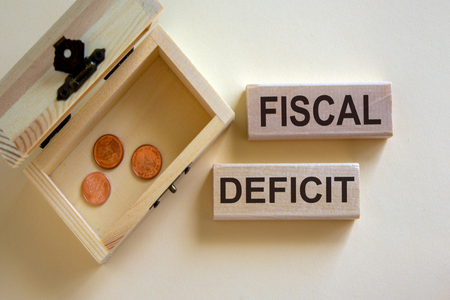
India’s fiscal deficit in Q1 touches 18.2 per cent of full year target  

Indian Community Editorial TeamBy Indian Community Editorial TeamJuly 31, 20262 Mins ReadNo Comments Add us to Google Preferred Sources
India’s fiscal deficit in Q1 touches 18.2 per cent of full year target  
Share
Facebook Twitter LinkedIn Pinterest Email

New Delhi, July 31 (IANS) India’s fiscal deficit was estimated at Rs 3.1 lakh crore during the first quarter (April-June) of the current financial year, which works out to 18.2 per cent of the full-year budget estimate, according to data released by the Controller General of Accounts (CGA) on Friday.

The fiscal gap was higher than the Rs 2.8 lakh crore recorded during the April-June period of the previous financial year, showing increased government spending even as revenue collections remained robust.

For FY27, the Centre has budgeted a fiscal deficit of Rs 16.96 lakh crore, equivalent to 4.3 per cent of the country’s gross domestic product (GDP), along a declining gliding path as part of the fiscal consolidation process.

Net tax receipts during the April-June quarter recorded a robust increase to Rs 6.4 lakh crore from Rs 5.4 lakh crore in the corresponding period last year, indicating sustained growth in direct and indirect tax inflows despite global economic uncertainties.

Non-tax revenue rose to Rs 3.8 lakh crore from Rs 3.7 lakh crore in the same quarter of 2025-26. These receipts include dividends from public sector companies and the Reserve Bank of India, spectrum-related income and various fees collected by the government.

The total expenditure of the government rose to Rs 13.6 lakh crore during the April-June quarter of 2026-27 compared with the corresponding figure of Rs 12.2 lakh crore in the same quarter last year.

Capital expenditure, which includes investments in large infrastructure projects such as ports, highways, and railway projects, recorded a significant increase during the quarter at Rs 3.4 lakh crore, compared with Rs 2.75 lakh crore in the same period last year.

There is some concern that the rising subsidy bill due to the higher prices of petroleum products and fertilisers will lead to an increase in government expenditure on this account, which could exert pressure on the fiscal deficit.

The government achieved its fiscal deficit target of 4.4 per cent in the financial year 2025-26 and has lowered the target further to 4.3 per cent of GDP for the current financial year as part of the fiscal consolidation process.

A decline in the fiscal deficit strengthens the fundamentals of the economy and paves the way for growth with price stability. It leads to a reduction in borrowing by the government, thus leaving more funds in the banking sector for lending to corporates and consumers, which leads to higher economic growth.

–IANS

sps/vd

Add us to Google Preferred Sources
Indian Community Editorial Team

The Indian Community Editorial Team curates, verifies, and publishes stories that matter to Indians worldwide. From culture and community to business and innovation, our mission is to spotlight voices, ideas, and events that bring our global community closer together. Have news or a story to share? Submit it to us at [email protected].

Add A Comment

CWG 2026: Canada's Beaton rules the Women's -52kg roost in judo

July 31, 2026

Portugal expresses great concern over Ceuta migration crisis, backs Schengen border integrity

July 31, 2026

South Korea, US, nine other countries issue joint alert on North Korean IT workers

July 31, 2026

India, Lesotho review entire spectrum of bilateral ties and cooperation

July 31, 2026
  • Facebook
  • Twitter
  • Pinterest
  • Instagram
About Us
  • About Us
  • Contact Us
  • Terms of Service
Corporate
  • Download Indian Community App
  • Advertise Here
Facebook X (Twitter) Instagram
  • About Us
  • Contact Us
  • Terms of Service
© 2026 Designed by CreativeMerchants.

Type above and press Enter to search. Press Esc to cancel.