


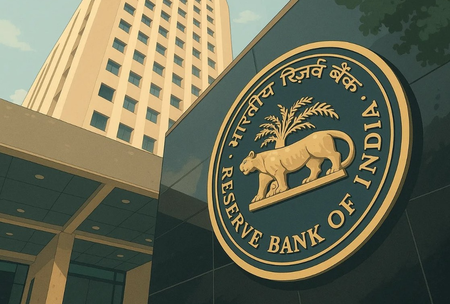
India’s foreign exchange reserves saw a significant increase of $14.167 billion, reaching $701.36 billion by the week ending January 16, as per data from the Reserve Bank of India. The Foreign Currency Assets (FCA), the largest component of the reserves, rose by $9.65 billion to $560.51 billion during the same period. This category includes various major global currencies like the yen, euro, and pound, apart from the dollar, all valued in dollar terms.
The country’s gold reserves also experienced growth, climbing by $4.6 billion to $117.45 billion in the reported week. Meanwhile, the value of Special Drawing Rights (SDRs) declined by $35 million to $18.70 billion, and the reserve position in the IMF dropped by $73 million to $4.684 billion by January 16.
Previously, on October 17, 2025, India’s foreign exchange reserves had touched $702.25 billion, with the all-time high being $704.89 billion in September 2024. Foreign exchange reserves are crucial indicators of a country’s economic health and are instrumental in stabilizing exchange rates. They enable the Central Bank to intervene in currency markets to prevent rapid depreciation of the domestic currency against the dollar, ensuring exchange rate stability.
The rising foreign exchange reserves signify a robust influx of dollars into the economy, bolstering its strength. Moreover, an uptick in reserves simplifies international trade for the country. This upward trend in reserves aligns with increased capital inflows, particularly notable growth in foreign direct investment commitments in India during the current fiscal year.
