


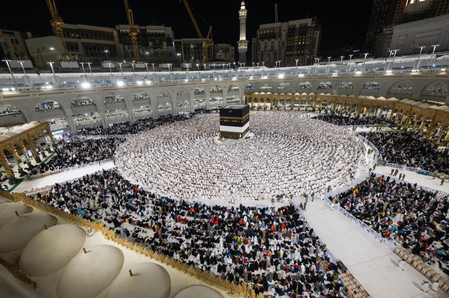
The annual Hajj pilgrimage, a significant religious event, challenges the faith of millions of Muslims and the organizational capabilities of governments worldwide. In India, the Hajj assistance system has transformed into a model of inclusivity and effectiveness, ensuring fair access for pilgrims from various social and regional backgrounds. The approach focuses on service delivery, prioritizing safety, dignity, and equal opportunities for all applicants without bias.
Khaleej Times highlighted India’s Hajj assistance process, emphasizing a facilitative role by the government from application submission to the pilgrimage’s culmination at Arafat, Mina, and Muzdalifah. The system’s evolution includes the introduction of online applications, digital lotteries, and strict timelines for documentation, simplifying the process and minimizing intermediaries.
Noteworthy reforms in India’s Hajj assistance framework include the elimination of the Hajj subsidy in 2018, redirecting funds towards education and welfare initiatives. This move led to transparent cost negotiations with airlines and Saudi authorities, ensuring responsible facilitation of the religious obligation. Delegations from India encompass a diverse range of professionals, including doctors, paramedics, and volunteers, showcasing the country’s inclusive representation.
India’s commitment to gender equality is evident in its support for women pilgrims, allowing them to travel independently in compliance with Saudi regulations. Language inclusivity is also prioritized, with support services available in multiple Indian languages. Indian officials in Saudi Arabia oversee logistical aspects like accommodation, transportation, and crowd management, ensuring a seamless experience for all pilgrims.
The report commended India’s approach for avoiding religious exceptionalism and aligning Hajj assistance with the constitutional principles of equality and religious freedom. The Hajj assistance framework in India, catering to the needs of diverse pilgrims, exemplifies how a democratic nation can uphold devotion with respect and dignity. This support extends beyond Hajj to other major religious gatherings, fostering national unity and demonstrating the compatibility of secular governance with religious diversity.
