


India’s marine fisheries sector witnessed a three percent year-on-year increase in total landings in 2025, reaching 35.7 lakh tonnes, as reported by the Central Marine Fisheries Research Institute (CMFRI). This growth indicates a stabilizing resource base and better market realizations, offering hope for the blue economy. Tamil Nadu emerged as the leading contributor, surpassing Gujarat, while Kerala maintained its third position with a modest two percent growth, accounting for about 17 percent of the national production.
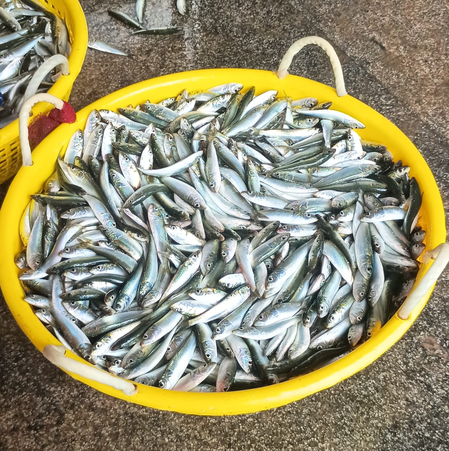
Catch composition in the sector revealed a dominance of pelagic species, constituting 54 percent of the total share. Indian mackerel led the national landings at 2.70 lakh tonnes, followed by cephalopods and the resurgent Indian oil sardine. Notably, cephalopods and threadfin breams showed significant double-digit growth, indicating favorable stock conditions and improved management practices.
Kerala’s performance was boosted by a notable increase in oil sardine landings, reaching its highest level in a decade at 1.68 lakh tonnes. Despite declines in some varieties, gains were observed in threadfin breams and cephalopods. Key landing hubs like Neendakara and Munambam continued to drive volumes, although fishing activities were affected by adverse weather and a cargo shipwreck during peak months.
The marine fish landings in India contributed Rs 69,254 crore at the national level, marking a 10.45 percent increase, with retail value touching Rs 97,702 crore. Kerala particularly excelled in value growth, with landing center earnings rising by 17.8 percent, reflecting improved price realization and supply-demand equilibrium. The marketing efficiency also improved, with Kerala leading at 72.83 percent.
Dr. Grinson George, the Director of CMFRI, attributed the stock recovery to favorable environmental conditions and regulated fishing pressure, especially benefiting small pelagic species. The data suggests a dual trend for industry stakeholders, with ecological recovery supporting volumes and strong demand driving value, positioning marine fisheries as a resilient contributor to coastal economies.
